Author: admin

  • How to integrate Apple Wallet into a mobile app? – A Step-by-step Guide

    How to integrate Apple Wallet into a mobile app? – A Step-by-step Guide

    Apple is the world’s first $3 trillion company that is known for its innovation and revolutionary products. Apple offers a vast range of products like iPad, Mac, and Apple Watches, but this brand is best known for its line of iPhones.

    Talking about iPhones, there are more than 125 million iPhone users in the USA! That accounts for about 50% of smartphone users in the country. 

    Apple Wallet: what do you mean by that?

    Apple Passbook was the first thing that was launched by Apple in 2012. The Apple Passbook was designed as a wallet app where the users can store anything that they actually stored in a physical passbook. However, it was a revolutionary concept that was ahead of its time, but people were not interested in going digital at that time.

    After numerous changes and improvements, Apple finally released Apple Pay in 2014, a wireless contact payment system for Apple devices. With Apple Pay, you can pay contactless at any store as it supports all credit and debit cards like Visa, MasterCard, etc.

    Apple Pay was a huge success as it allowed credit card service providers to go digital without building their own apps. And with that, Apple Pay users understood the convenience of Apple Pay.

    Then In 2015, Apple renamed Apple Passbook to Apple Wallet with the release of iOS 9. Along with that, the new version of Apple Wallet was integrated with various displays like Aztec, PDF, and more. 

    After that, Apple has been consistently increasing the number of new retailers that accept Apple Pay and Apple Wallet cards every year, adding hundreds of thousands to the list since its inception. As of today, Apple Wallet has undergone significant development, enabling users to store various items such as coupons, boarding passes, IDs, tickets, keys, and more! Surprising, right?

    Apart from these things, you can even share your passes or digital tickets with the help of the Wallet app. Today, Apple Wallet is compatible with all Apple devices. 

    How to use an Apple Wallet?

    Apple Wallet comes as a default in most Apple Devices, but it needs to be set up first to get working. 

    How to set the Apple Pay app

    Apple Pay users can buy products and other stuff from retailers with the help of Apple Wallet. So, to use that, firstly, you will need to be in a supported region, then you need an eligible device with an iCloud account and a card from a participating issuer. (Apple Pay allows you to add up to 12 cards per device.)

    Note: If you want to add those cards to your Apple Pay app, you will need to do it manually.

    Installing third-party apps

    It is best recommended to use Apple Wallet with third-party apps.  Due to Apple’s diversifying products, people have started buying Apple Products for their Apple Wallet. Because of this, expert iOS app developers are getting paid a good amount of incentives to build apps that are compatible with Apple Wallet.

    If you use Apple Pay to make a purchase from a supported merchant, passes will be automatically added to your Wallet app and your reward cards will get updated too.

    Apple Wallet: Tips and Tricks

    Have a look at some of the tips and Tricks that you can try with your Apple Wallet.

    Automatic updates

    With Apple Wallet, you can stay updated and one step ahead of things. That’s because Apple Wallet will automatically update when your service provider changes anything at the last moment. This feature will be used in association with push notifications.

    Notifications

    Notifications are the best way to keep yourself with the latest news, booking updates, and exclusive promotions. That means you will get notified whenever you book a movie or flight to your holiday destination in advance. Furthermore, you will also get notified of geolocated offers that are associated with your registered cards.

    If you wish to enable this notification feature on your iPhone, follow the process given below:

    • Firstly, tap on the settings, 
    • Then go to notifications, 
    • After that, go to the Apple Wallet option and enable the “Allow Notifications” option, 
    • That’s it, you will now start receiving notifications. 

    Share passes

    Apple Wallet lets you store all the digital copies of your documents, so you don’t have to carry any physical copies of those documents anymore. Apart from that, with Apple Wallet, you cannot just save your trip passes but your family and friends.

    Lastly, Apple Wallet also keeps a track of your documents and passes and you can even share them with your friends and family via AirDrop, mail, messages, and many different ways.

    If you are facing difficulty in the above process, then you can always contact top mobile app development company to make things easy.

  • Top Strategies for Successful Software Development Outsourcing

    Software outsourcing services have become an increasingly popular business practice, allowing companies to access a wide range of expertise, reduce costs, and focus on their core competencies.

    According to GrandViewResearch, the worldwide IT services outsourcing market was estimated at USD 520.74 billion in 2019; from 2020 to 2027, it is projected to expand at a compound annual growth rate (CAGR) of 7.7%.

    However, software outsourcing services has difficulties and dangers, including concerns with quality control, linguistic and cultural disparities, and legal and financial ramifications. This blog article will outline the best business outsourcing tactics to minimize risks and increase rewards.


    #1 Define Your Requirements and Goals

    To guarantee that you are receiving the proper services and results, it is crucial to specify your criteria and goals before outsourcing a software development company. The following advice will help you specify your needs and objectives:

    • Analyze business requirements: To reach your business goals, decide which services and tasks you must outsource.
    • Create a clear scope of work: To prevent misconceptions and scope creep, specify the precise tasks, deliverables, and deadlines for the project.
    • Define project goals and milestones: Establish milestones and targets that are precise, quantifiable, and consistent with your company’s goals so that you can assess the outsourced project’s performance.


    #2 Choose the Right Vendor

    The success of your outsourcing project depends on choosing the right custom app development company. Here are some pointers for selecting the ideal vendor:

    • Look for relevant experience and skills: To ensure the vendor has experience and knowledge in the services and technology you require, check their references and portfolio.
    • Check references and reviews: To assess the vendor’s reputation and track record, ask for references and look for internet reviews and ratings.
    • Assess communication and collaboration skills: When you hire software development team, make sure they can work well with your team and comprehend your needs, assessing their ability to collaborate and communicate.
    • Consider the location and time zone differences: To ensure the vendor can offer the services and support you require during your working hours, consider the location and time zone variances between your business and the vendor.

    #3 Establish Clear Communication Channels

    Each project’s software outsourcing services must have effective communication to succeed. These are some pointers for creating clear communication channels:

    • Use a project management tool: Employ a project management application to track progress, keep track of deadlines, and keep track of milestones.
    • Schedule regular meetings: Set up frequent meetings with the vendor to review the status, problems, and future steps.
    • Clarify expectations and responsibilities: To prevent misunderstandings and confrontations, be clear about each party’s obligations and expectations.
    • Establish a single point of contact: Designate a single point of contact for each party to simplify communication and prevent misunderstandings.

    #4 Manage the Project Effectively

    The outsourced software consulting services project’s quality and timeliness depend on effective project management. The following advice will help you manage the project successfully:

    • Set realistic timelines and milestones: Establish reasonable deadlines and milestones that take into consideration the complexity of the job, available resources, potential hazards, and delays.
    • Monitor progress regularly: Track progress often to keep the project on schedule and mitigate risks and concerns.
    • Address issues and risks proactively: To prevent delays and quality difficulties, address issues and risks early on.
    • Maintain regular communication with the vendor: To make sure the vendor is informed of any changes or problems that might affect the project, keep in constant contact with them.

    #5 Monitor and Evaluate Performance

    Monitoring and analyzing performance is essential for the software outsourcing services to be successful. For monitoring and assessing performance, consider the following suggestions:

    • Track key performance indicators (KPIs): Establish and monitor key performance indicators (KPIs) that gauge the success of the outsourced project, such as quality, cost, and timeliness.
    • Conduct regular reviews and assessments: To analyze the vendor’s performance and pinpoint areas for improvement, conduct routine reviews and evaluations.
    • Provide feedback: Give the vendor comments on their good and bad performance to encourage improvement and assist them in resolving any problems or worries.
    • Evaluate the project’s overall success: Assess the outsourcing project’s overall success in light of the specified goals and objectives and the KPIs monitored during the project.

    #6 Consider Legal and Financial Aspects

    Successful cooperation with contractors requires careful consideration of the legal and financial implications of outsourcing a software development company. Considerations to keep in mind in terms of law and money are listed below:

    • Understand legal requirements and regulations: 

    Knowing the outsourcing rules of the governing nation is important. To avoid legal troubles, ensure you abide by all applicable laws and rules.

    • Define payment terms and milestones: Include payment conditions and completion dates in the outsourcing contract to prevent any misconceptions or ambiguity. Before the project starts, both parties must agree on the payment schedule and structure.
    • Protect intellectual property rights: While outsourcing, intellectual property rights must be defended. Be sure the agreement includes clauses safeguarding your business’s intellectual property rights, including patents, copyrights, trademarks, and trade secrets.
    • Choose a reputable vendor: Financial risks can be reduced by selecting a dependable software outsourcing service provider with a strong financial history. Do due research on prospective suppliers or mobile app development company in Delhi to evaluate their financial standing and make sure they have a history of honoring their financial commitments.
    • Consider currency exchange rates: These rates significantly affect the financials of the outsourced operation. While negotiating a price with the vendor, it’s critical to keep currency conversion rates in mind and to have a strategy in place for dealing with changes in exchange rates.

    #7 Maintain Strong Relationships

    Establishing and maintaining excellent connections with your outsourcing software development company is essential to ensure their long-term success and your ability to utilize their services in the future. Here are some pointers for keeping solid connections:

    • Treat the vendor as a partner: Treat the vendor as a partner, not merely as a service provider, and express gratitude for their contributions to the project.
    • Foster open communication: Encourage open dialogue and teamwork, and be receptive to advise and criticism from the vendor.
    • Address issues proactively: To preserve confidence and avoid confrontations, address any problems or worries immediately and proactively.
    • Consider long-term relationships: To create solid, mutually beneficial partnerships that may bring continuous benefits for both sides, think about developing long-term connections with your outsourcing contractors.

    Conclusion

    In conclusion, regular performance assessments of the outsourcing vendor is essential for effective outsourcing. Companies should conduct periodic evaluations to ensure that the vendor is meeting their expectations and delivering high-quality work.

    Software outsourcing services have many advantages for businesses, but dangers and difficulties are also involved. Companies may minimize these risks and maximize their advantages by implementing these best practices for effective outsourcing, which will eventually result in the completion of successful outsourcing projects and stronger partnerships with their vendors.

  • 9 Measures to Enhance Security of Your Mobile Application

    9 Measures to Enhance Security of Your Mobile Application

    Mobile apps are everything these days. Everything, from purchasing the next movie ticket to paying your power bill, is now online, thanks to the mobile app. Firms disregard essential factors as they race to be the first in this industry with the best apps. They fail to implement security principles during deployment and development, resulting in mobile application security vulnerabilities. As a result, it is critical to prioritize the security of mobile app development. 

    The Importance of Mobile Application Security

    Simply put, most individuals need to think about mobile application security when they use their phone to pay for a coffee at Starbucks, play the latest game while commuting, or even conduct online transactions on their mobile banking app.

    Here are some statistics:

    • To date, 100% of the top 100 paid apps in the Google Play Store have been hacked.
    • 56% of the top 100 paid Apple App Store apps have been hacked.
    • Year after year, the number of harmful mobile malware infections climbed by 163%.

    These figures are even more concerning when you realize that most firms now have a BYOD (bring your device) policy that allows employees to combine professional and personal interests on a single mobile device. In the United States, 84% of users utilize a single device for both work and personal use, limiting the capacity of the company’s IT staff to safeguard access to essential enterprise data safely.

    Mobile apps that have been hacked or cracked have the potential for –

    • Significant revenue loss
    • Illegal access to sensitive enterprise and user information
    • Cases of intellectual property theft and fraud
    • Brand Injury

    As a result, the most critical question you should answer as an application developer before launching your app is – How can you safeguard your app from any lousy intent?

    An Application development company in Toronto suggests that you can begin by reviewing below the mobile app security tips, which will give you a foundation for addressing the security difficulties encountered during the construction and deployment of a mobile app and maintaining a proper mobile application security checklist in future.

    9 Recommendations for Mobile Application Security

    Mobile app development and delivery differs significantly from a typical software development cycle. These mobile app security guidelines were prepared by experienced developers, testers, and hackers to assist you in securing your mobile apps for a better end-user experience.

    1. Working with safe app code: 

    From the outset, the security of your mobile app will be a significant emphasis. Because the code is stored on the device after installing the app, native apps are more exposed to security concerns than online apps. The most prevalent error over here is focusing on something other than code security. Failure to test the code can lead to severe vulnerabilities in the mobile app, making it easy for hackers to obtain any information they desire. To avoid this problem, you must use encrypted code that has been thoroughly checked for flaws.

        2. Platform-specific constraints

    Understanding the limitations and security features of the platforms for which you are designing an app is critical. Specific passwords, use case scenarios, geo-location support, and encryptions must be remembered for the OS to function correctly. It aids in developing and distributing the appropriate mobile application for specific platforms. If you want to work on the iOS system, numerous recommendations are available to help you create the correct mobile application for a better user experience. Similarly, you can apply specific pointers to secure mobile app development for Android consumers.

       3. Safeguarding network connections:

    The servers that the mobile app accesses should have adequate security measures to secure data and prevent unauthorized access. API access must be restricted so that no one outside your organization has unauthorized access. You can add additional security by using a VPN or encrypted connections. Containerization is one method for creating encrypted containers for securely storing documents and data. Ensure that data is adequately protected, as simple leakage is typical.

       4. Encrypt all data: 

    More than the code is required. You can even encrypt all data transmitted via mobile app. Hence, even if the data is taken, the hackers cannot use it. Without you, the key it’s just lettering with no significance. The data should also be encrypted for enterprise apps that include critical information to prevent unauthorized access. It is one of the recommended practices for mobile app security.

       5. Make every effort to avoid data leakage:

    When downloading any software, users must consent to some permissions, which they frequently disregard. It may allow organizations to gather sensitive personal information about the user, which they may later exploit if desired. Thus, attempt to deploy advertising in an ethical manner and employ secure suppliers to ensure that customer data is not exposed to bad merchants. Certain apps may reveal user data without the customer’s authorization. As a result, ensure that the data collected remains secure and cannot be stolen.

       6. Reducing the amount of sensitive data stored:

    To reduce risk, data storage should be kept to a minimum. If possible, avoid storing any personal user data on your servers or devices. It will only raise the risks. But, if you must keep data, using encrypted data containers, such as containerization, is critical. Keep your reliance on logs to a minimum. Get these logs automatically removed after a set period. It is one method of securing mobile apps for future use.

       7. Create Mobile Security Standards: 

    Companies have a variety of standards in place to assist developers in developing applications. But, most of the time, these details are focused on something other than security. There is no mention of mobile applications in the majority of cases. There are some changes between Android and iOS to ensure that auto-complete is disabled. Password fields are sometimes appropriately protected. Having suitable security standards and guidelines for technology in use is critical opined a mobile app development company in Delhi.

       8. Employing stronger authentication:

    Several security breaches are possible as a result of inadequate authentication. As a result, obtaining a strong one that primarily pertains to passwords is critical. Urge users to be highly cautious about their passwords. Create apps in such a way that only stronger passwords are required. Two-factor authentication is a tried and true method for increasing app security. The user must enter a code here, which will be emailed to their registered email or phone number. Current authentication methods are more secure since they employ biometrics such as retina scans or fingerprints. Around 62% of companies now use biometric information in some way or another. Thus, incorporate that into your mobile apps to discover how to increase mobile app retention.

       9. Whole Dynamic and Static Verification:

     Full Dynamic and Static Verification – Currently, dynamic and static verification approaches must be utilized. Little was made available for dynamic mobile app versions. This is not to say that these two security operations cannot be integrated into safe mobile development. When technologies become more efficient, it is time to use static techniques to evaluate mobile code during development. It prevents problematic APIs from being abused. 

    Last Remark

    Following these simple nine steps can significantly improve mobile app security. It is mandatory for mobile app developers to conduct a proper mobile app security assessment and know about the security conditions of their mobile applications.

  • Which is the best Platform for your E-Commerce Website Development?

    Which is the best Platform for your E-Commerce Website Development?

    In the current era of technology, establishing an online presence has become an indispensable requirement for businesses regardless of their magnitude. E-commerce websites have become indispensable tools for businesses looking to reach a larger audience and increase sales. However, choosing the right platform for your e-commerce website can be a daunting task, especially with so many options available in the market. The platform you choose will impact your website’s functionality, design, and user experience. Therefore, it is essential to carefully evaluate and compare various website and mobile app development company in Delhi before making a decision. 

    In this blog, we will discuss the factors you should consider when choosing the best platform for your e-commerce website development.

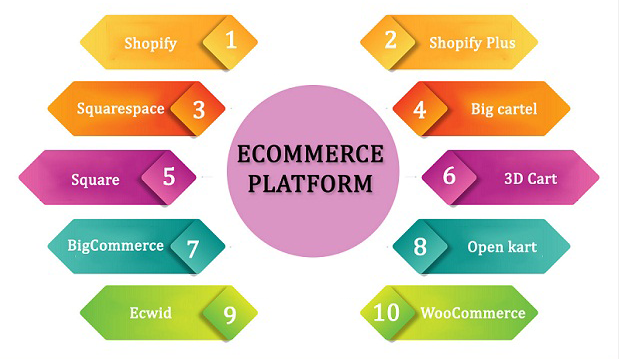
    6 best platforms for your E-commerce Website Development

    Here are the 6 best platforms for your E-commerce Website development:

    • Shopify

    Shopify is a popular e-commerce platform that enables entrepreneurs to create and manage their online stores with ease. It is a cloud-based platform that offers a user-friendly interface, numerous customization options, and excellent customer support. Here are some reasons why Shopify is one of the best platforms for your e-commerce website development:

    1. Easy Setup and Use: Setting up an online store on Shopify is quick and straightforward. The platform offers various templates, themes, and customization options that enable you to create a professional-looking online store in a matter of minutes. Moreover, Shopify’s intuitive dashboard and user-friendly interface make it easy for entrepreneurs to manage their online stores, even if they have no technical experience.
    2. Excellent Customer Support: Shopify has a dedicated customer support team that provides round-the-clock assistance to its users. Whether you have a technical issue or a question about your online store, Shopify’s support team is always there to help you out. Additionally, the platform offers a vast knowledge base, community forum, and e-commerce academy that provide users with valuable resources and information.
    3. Secure and Reliable: Shopify is a highly secure and reliable platform that uses advanced security measures to protect its users’ data and transactions. The platform complies with all major security standards and regulations and provides users with secure payment gateways and SSL certificates. Additionally, Shopify’s cloud-based infrastructure ensures that your online store is always up and running, with minimal downtime or interruptions.

    2. WooCommerce

    WooCommerce is a popular e-commerce platform that operates as a plugin for WordPress websites. It offers entrepreneurs the ability to create and manage their online stores on one of the most popular content management systems available. Here are some reasons why WooCommerce is one of the best platforms for your e-commerce website development:

    1. Easy Integration with WordPress: Since WooCommerce is a plugin for WordPress, it is effortless to integrate with your existing WordPress website. This means that you can create an online store without needing to switch to a different platform or build a new website from scratch. WooCommerce’s seamless integration with WordPress makes it a popular choice for entrepreneurs who already have a WordPress website.
    2. Affordable Pricing: WooCommerce is a free plugin, which makes it an affordable option for businesses on a tight budget. Additionally, the platform offers numerous free and paid extensions that entrepreneurs can use to add new features and functionality to their online store.
    3. Scalability: WooCommerce is a platform with exceptional scalability, capable of accommodating businesses of any size. The platform’s flexible and modular architecture allows entrepreneurs to add new features and functionality as their business grows. This means that entrepreneurs can start small and gradually expand their online store as their customer base and revenue increase.

    3. Squarespace

    Squarespace is a popular website builder that enables entrepreneurs to create and manage their online stores with ease. It is a cloud-based platform that offers a range of features, customization options, and templates. Here are some reasons why Squarespace is one of the best platforms for your e-commerce website development:

    1. User-friendly Interface: Squarespace’s user-friendly interface makes it easy for entrepreneurs to manage their online stores without any technical expertise. The platform’s drag-and-drop editor, intuitive dashboard, and step-by-step guides make it easy to create and manage product listings, shipping options, and payment gateways.
    2. Integration with Third-party Services: Squarespace integrates with numerous third-party services, including PayPal, Stripe, and ShipStation. These integrations enable entrepreneurs to offer a variety of payment options and streamline their shipping and order fulfillment processes.
    3. Professional Templates: Squarespace offers a range of professional templates designed specifically for e-commerce websites. These templates are mobile-friendly, visually stunning, and easy to customize, allowing entrepreneurs to create a professional-looking online store in a matter of minutes.

     4. Big Cartel 

    Big Cartel is an e-commerce platform designed specifically for artists, makers, and small businesses. It offers entrepreneurs a simple and affordable way to create and manage their online stores. Here are some reasons why Big Cartel is one of the best platforms for your e-commerce website development:

    Excellent Customer Support: Big Cartel provides excellent customer support through a range of channels, including email and live chat. The platform also offers a comprehensive knowledge base and video tutorials to help entrepreneurs navigate the platform’s features and functions.

    Customization Options: Big Cartel offers a range of customization options, including themes, templates, and design tools. This allows entrepreneurs to create an online store that aligns with their brand’s aesthetics and personality. Additionally, Big Cartel’s open-source nature allows developers to customize the platform’s functionality and design according to specific business needs.

    Affordable Pricing: Big Cartel offers affordable pricing plans that cater to businesses of all sizes. The platform’s free plan allows entrepreneurs to list up to 5 products, while the paid plans offer more advanced features and options, such as the ability to list unlimited products, customize your store, and integrate with third-party services.

     5. Weebly

    Weebly is a web hosting service that offers a platform for building and maintaining websites, including e-commerce sites. The company was founded in 2006 and has grown to become one of the most popular website builders on the market. Weebly offers an easy-to-use drag-and-drop interface, a wide variety of customizable templates, and a range of features designed specifically for e-commerce websites.

    Here are some of the benefits of using Weebly for your e-commerce website development:

    1. Easy to use: Weebly’s drag-and-drop interface makes it easy for anyone to build a website, even if you have no coding or design experience. You can choose from a range of customizable templates, add your own content and images, and make changes to the layout and design with just a few clicks.
    2. Reliable hosting: Weebly provides reliable hosting for your website, which means your site will be up and running 24/7. This is important for e-commerce sites, as any downtime can result in lost sales.
    3. SEO-friendly: Weebly sites are designed with search engine optimization (SEO) in mind. This means that your site is more likely to rank well in search engine results, which can help drive traffic and sales to your e-commerce site.

    6. PrestaShop

    PrestaShop is a popular open-source e-commerce platform that provides a robust and flexible solution for building online stores. It was launched in 2007 and has since grown to become one of the most widely used e-commerce platforms in the world. Here are some of the benefits of using PrestaShop for your e-commerce website development:

    1. Advanced features: PrestaShop is packed with advanced features that are designed to help merchants grow their online business. These include features like product reviews, cross-selling and upselling, discounts and promotions, loyalty programs, and much more.
    2. Multi-store functionality: PrestaShop provides multi-store functionality, which means that merchants can easily manage multiple online stores from a single dashboard. This is especially useful for businesses that operate in multiple countries or sell products in multiple languages.
    3. Highly customizable: PrestaShop offers a wide range of customization options that allow merchants to tailor their online store to their specific needs. The platform provides access to a vast marketplace of themes, modules, and extensions, which can be used to add new features, change the look and feel of the site, and enhance its functionality.

    Conclusion:

    Choosing the best platform for your e-commerce website development depends on several factors, including your budget, the size and complexity of your online store, and your specific business needs. There are several e-commerce platforms available on the market, each with its own set of advantages and disadvantages.

    Ultimately, the best platform for your e-commerce website development will depend on your unique business needs and goals. It is important to carefully evaluate your options and choose a platform that offers the features, functionality, and security you need to create a successful online store.

  • React Native vs Flutter: Which Cross-Platform Framework Is Best For Your Business?

    React Native vs Flutter: Which Cross-Platform Framework Is Best For Your Business?

    With the increasing demand for mobile applications, businesses are trying to find the best way to develop their apps. In this article, we look at two of the most popular cross-platform frameworks – React Native and Flutter. We’ll compare their features, pros, and cons, as well as discuss which one is best suited for your business needs.

    Introduction to Cross-Platform Development

    Cross-platform development is the process of developing software that can be used on multiple platforms. This can include developing mobile devices, desktop computers, web browsers, and more. React Native and Flutter are two popular frameworks for cross-platform development. So, which one should you utilise for your business?

    What is React Native?

    React Native is a cross-platform framework created by Facebook that allows you to create native mobile apps using JavaScript. It’s one of the most popular frameworks for creating Android and iOS apps, and it’s used by some of the biggest companies in the world, including Facebook, Instagram, and Airbnb.

    React Native is a great choice for businesses that want to create high-quality mobile apps quickly and efficiently. It’s also a good choice if you’re already familiar with React since it uses the same syntax and concepts. However, React Native is not without its drawbacks – it can be difficult to debug, and it doesn’t have as many features as some of its competitors.

    What is Flutter?

    Flutter is a cross-platform framework created by Google. This allows developers to build native apps for both Android and iOS using the same codebase.Flutter is known for its fast performance, smooth animations, and intuitive design.

    There are two main ways to develop apps with Flutter: by using the Dart programming language or by using the declarative syntax of the Flutter framework. Dart is a general-purpose programming language that can be used to develop both mobile and web apps. The declarative syntax of the Flutter framework makes it easy to create custom UI elements and add interactivity to your app without having to write Dart code.

    If you’re looking to create an app for your business, you’ll need to decide which cross-platform framework is best for you. To help you make that decision, we’ve compiled a list of the pros and cons of React Native and Flutter.

    Benefits and Drawbacks of Each Platform

    There are a few key benefits and drawbacks to React Native and Flutter that are worth considering before deciding which platform to use for your business.

    React Native:

    Benefits:

    – Increased efficiency as JavaScript can be reused across platforms

    – Access to a large number of libraries

    – Fast refresh times

    – Ability to create native apps without having to learn a new language

    Drawbacks:

    – Limited support for older devices

    – Steep learning curve for newcomers to React Native

    – Requires more code than using a web view

    Flutter framework

    Benefits:

    The most significant benefit is its cross-platform compatibility; with Flutter, you can develop an app for both iOS and Android from a single codebase.

    •       This can save a lot of time and effort as compared to developing separate apps for each platform. Another big benefit is Flutter’s hot reload feature.
    •       This allows you to make changes to your code and see the results immediately, without having to recompile and redeploy your app.

    Drawbacks

    One is that it is still relatively new and thus has a smaller community than other frameworks such as React Native.

    •       This can make finding help and resources more difficult.
    •   Additionally, since Flutter uses its own unique rendering engine, there can be some performance issues on lower-end devices.

    APPS BUILT WITH React native app Development

    React Native is a capable tool for building native mobile apps. It allows developers to create cross-platform apps that are fast, responsive, and user-friendly. React Native has been used to build some of the most popular apps on the App Store and Google Play, such as Facebook, Instagram, and Skype. If you are looking for a way to create native apps that perform well and look great, React Native is definitely worth considering.

    Comparing React Native vs Flutter Performance, Security, and Cost

    When it comes to choosing a cross-platform framework for your business, there are many factors to consider. Two of the most popular options are React Native and Flutter. In this article, we’ll compare the performance, security, and cost of these two frameworks to help you decide which is best for your business.

    Performance:

    Both React Native app development and Flutter offer great performance. However, React Native is slightly ahead in terms of raw performance. This is due to its use of native components, which results in better app performance overall. However, keep in mind that the difference in performance between the two frameworks is minimal, so it’s not a deciding factor when choosing between them.

    Security:

    When it comes to security, React Native has an edge over Flutter. This is because React Native apps are compiled into native code, which makes them more difficult to reverse engineer and tamper with. Additionally, React Native apps are also less likely to be affected by malware since they don’t rely on third-party plugins or libraries.

    Cost:

    In terms of cost, React Native is the clear winner. This is because React Native apps can be developed using JavaScript (which is free), whereas Flutter apps require Dart (which costs money). Additionally, React Native developers are typically cheaper than Dart developers since Dart is a less common language.

    Which Cross-Platform Framework Is Best for Your Business?

    React Native is a JavaScript-based framework that was developed by Facebook. It is used by some of the biggest companies in the world, such as Instagram, Airbnb, and Tesla. React Native is a great option for businesses that want to develop native iOS and Android apps. It has a large community of developers and many resources available.

    Flutter is a Dart-based framework that was developed by Google. It is used by some of the biggest companies in the world, such as Alibaba, Google, and Tencent. Flutter is a great option for businesses that want to develop hybrid apps. It uses the same set of code for both iOS and Android.

    So, which cross-platform framework is best for your business? If you want to develop native iOS and Android apps, then React Native is the best option. Flutter is the best option if you want to develop hybrid apps.

    The Cost of Developing an App with React Native or Flutter

    •       There is no definitive answer when it comes to the cost of developing an app with React Native or Flutter.
    •       It depends on a variety of factors, including the size and complexity of the app, the experience of the development team, and the specific features and functionality required.
    •       Generally speaking, React Native apps tend to be more expensive to develop than Flutter apps, due to the need for additional platform-specific code. However, the Flutter App Development process may require more design and development time upfront, as the framework is still in its early stages of adoption.
    •       Ultimately, the best way to determine the cost of developing an app with either React Native or Flutter is to consult with a professional development team to get an estimate for your specific project.

    Conclusion

    React Native and Flutter are two of the leading cross-platform frameworks available today. Both have advantages and disadvantages that should be considered when deciding which framework is best for your business. React Native offers a great range of features, such as access to native components, easy integration with the existing codebase, and a wide variety of third-party libraries. However, it lacks performance optimization and debugging capabilities compared to Flutter. On the other hand, Flutter has an intuitive UI design language along with high-performance capabilities but may require extra effort to integrate existing codebases. Ultimately, selecting between React Native vs Flutter will depend on your specific needs and requirements; therefore businesses should carefully analyze their options before making the decision. Hire the best Mobile App Development Company to build mobile Hybrid Apps in advanced frameworks.

  • 7 Tips to Launch and Grow an E-commerce Business in 2023

    7 Tips to Launch and Grow an E-commerce Business in 2023

    The ecommerce industry has been steadily growing for years, and emerging technologies have further enabled businesses to become more efficient and cost-effective. There’s a lot of competition in this field, given how easy it is to start an ecommerce business.

    With that in mind, many people may ask themselves, “Can you still start an ecommerce business from scratch in 2023?” The answer to that is a resounding yes.

    Starting an ecommerce business this year will require a well-thought-out strategy that includes identifying a target market, creating an effective marketing plan, and leveraging the right technology. With the right approach, anyone can launch a successful ecommerce business any year.

    In this article, we’ll go over the essential steps you need to take to get your ecommerce business up and running. Let’s get it started.

    1. Evaluate Your Idea

    Before you launch any business, evaluating your idea and making sure it is viable is essential. When launching an e-commerce business, you need to consider the competition, the pricing and cost structure, the technology requirements, and the marketing plan.

    When evaluating your e-commerce business, you must be confident in your idea and ability to create a successful business. Consider the potential demand for your product or service, your unique features or benefits, and the available resources. Make sure you thoroughly understand the industry, your target market, and the competitors you’ll be up against.

    As mentioned earlier, there is a lot of competition in the ecommerce intergration space these days. To target a standard product, you must work much harder to improve marketing and branding to stand out from the rest. That’s why you should evaluate your idea first.

    2. Identify Your Target Audience

    Once your idea is evaluated and ready to move forward, the next step is to identify your target audience.

    A target audience will most likely be interested in your product or service. Knowing your target audience will help you create a marketing plan that resonates with them and ultimately leads to more sales.

    When identifying your target audience, consider factors such as age, location, gender, interests, etc. You can also look at data from existing customers to better understand who your current customers are. This information can help refine your target audience and create a more focused marketing plan.

    Make sure you interact with them first before solidifying this in cement. The target audience you want might not be your paying customers, so it’s a good idea to be aware of that before identifying your target audience.

    3. Make Your Store Mobile Friendly

    In today’s world, most people access the internet from their mobile devices, so e-commerce stores need to be mobile-friendly. A mobile-friendly website makes it easy for customers to browse and shop on their smartphones and tablets. This feature is crucial for e-commerce stores since customers need to be able to make purchases quickly and securely.

    Making your e-commerce store mobile-friendly is essential for several reasons.

    First, it makes it easier for customers to shop on their mobile devices. This change can lead to higher sales since customers won’t need to switch to a laptop or desktop to complete the purchase.

    Second, customers are more likely to stay on your website longer and explore more of your products if mobile optimized.

    Finally, a mobile-friendly website can also help your search engine rankings, as Google favors mobile-friendly websites.

    Just think about the fact that you’ve probably been on your phone quite recently. That fact alone should let you know how powerful it is to have an ecommerce store that looks good and is easy to use on the phone.

    4.Focus on The Digital Experience

    When we talk about the digital experience, it’s essential to consider the user experience and the overall look and feel of the website.

    Many digital users today have high expectations of ecommerce stores compared to back in the day. Therefore, user experience is a critical aspect of improving the digital experience.

    One way to boost the digital experience is to implement features and tools to enhance the shopping experience. For example, you can add product reviews, a customer service chatbot, or an AI-based product recommender system to your website.

    For example mobile app development company in Delhi also added unique features to their website. Users nowadays want unique experiences, and your ecommerce store is no different.

    These features can help customers find the right product quickly and easily. Additionally, they can help reduce shopping cart abandonment and increase customer satisfaction.

    5. Offer Discounts & Promotions

    Nothing sounds quite as good as a discount when you’re shopping. Therefore, discounts and promotions can be a great way to attract customers to your ecommerce business. Offering discounts and promotions can help you increase sales, acquire new customers, and build loyalty with existing customers.

    For example, you can offer discounts to customers who sign up for your newsletter or show a discount code to customers who purchase.

    You can also offer promotions such as free shipping or a buy-one-get-one offer. You can also create limited-time proposals to encourage customers to act quickly.

    The hit to your profit might hurt a bit, but it is worthwhile if you get more eyes on your brand and your ecommerce store.

    6. Make Checkout Easy

    We’ve all once had a frustrating shopping experience with an ecommerce store.

    Picture this: you made it to the checkout page and were ready to purchase my items, but the process was complicated and confusing! The number of steps you had to go through to submit your order was daunting, and you eventually gave up halfway through.

    It was such a disappointment, and you ended up not buying anything. That’s why making checkout as easy and streamlined as possible is vital. Customers who jump through too many hoops to complete the purchase will likely abandon the cart.

    You want to do shopping in your store as quickly as possible for your customers, so more straightforward checkout processes are one of the best ways.

    7. Build a Niche Brand

    Building a niche ecommerce brand is critical to succeeding in the ecommerce space, even if you’re starting. A niche brand can help you stand out from the competition and reach a specific audience that you can tap into.

    Creating a unique brand identity that resonates with your target audience is essential. Being unique doesn’t just mean having a fancy logo.

    It would be best if you also focused on creating content that appeals to your target audience. These content pieces could include blog posts, videos, and other content that educates and entertains them.

    There are different ways for you to become more niche. You can do it through your brand voice, the product you make, segmenting a particular audience, and many more ways. It all comes down to your preference and capabilities.

    The tricky thing about a niche brand is that you have a niche audience too. Don’t expect to have a lot of traffic immediately, but if you address your audience well, you can soon have a strong and loyal foothold in your niche.

    Conclusion

    In conclusion, launching and growing an e-commerce business in 2023 requires a well-thought-out strategy. Although many people will tell you it’s crowded already, if you know you provide value, there shouldn’t be anything stopping you from starting this business. Therefore, apply these tips to venture into the world of ecommerce store ownership confidently.

  • 11 Reasons Why You Need to Redesign UI of Your Mobile Application

    11 Reasons Why You Need to Redesign UI of Your Mobile Application

    No doubt, app redesigning is crucial for a business in many ways. It not only ensures conversion but also helps in increasing the number of visits from potential customers. Mobile App UI Design is something that helps in building brand recognition. However, as technology keeps evolving, you should also think of redesigning the UI of your mobile application. 

    With this, you can add many new features and improve its performance. Confused about why it is crucial to redesign the business app? 

    Why Do You Need to Redesign Your Mobile App UI

    Let’s check these 11 reasons why your business requires redesigning the app:

    1. Have An Outdated Design

    Nothing in this world is constant and mobile application design is no exception. To add value to the business applications, there’s a need to update the existing and old designs opined a mobile application developer Bangalore.

    While designing the app, you must have certainly used the latest technologies. But, unfortunately, as technology is evolving, new features and new designs are updating. So, ultimately, your technology gets outdated over time as it lacks new features.

    If someone wants to enhance the user’s experience on your app, one needs to redesign the app. This means Mobile UI design needs to be changed and evolve with time.

    2. Performance problems

    One of the vital pointers that you cannot ignore while designing an app is its performance. The mobile application that you’re having must have scalable solutions and be quick to load. This is crucial for any business app that is in expanding phase. 

    Whenever there are performance-related problems, you need to think of redesigning your mobile app. Slow loading of the app and hosting issues might disturb the app’s overall performance. All these issues can impact the user’s experience. If you don’t want to lose any customers then you must redesign the app’s UI.

    3. Company Rebranding 

    Any massive change in your business requires your mobile app’s redesigning too. Have you recently changed your business logo? Are you thinking to change the brand’s content and corporate style? If yes then redesigning is also necessary.

    Whenever you rebrand the business, there will be some massive changes that need app redesigning. You’ll have to change the application according to the changes that you have made to your brand. Be it a color, font, or any other visual thing, you must redesign the UI of the business app. If you don’t get it redesigned, this might confuse the customers whether they’ve downloaded the right app or not.

    4. Require new customers

    When you want to target new customers, redesigning the mobile application can be a great idea. A business can attract a new segment of the audience by redesigning the UI as many of them might find it appealing. 

    With a redesigned mobile app, it becomes easy and quick to attract new users. You can do this through new designs that comply with the latest trends.

    5. Complicated interface

    A business mobile application requires all the features so that it can help the customers to find what they want. Easy user interface design for mobile applications can help users to comprehend the app in a better way. 

    When the interface is complicated then this is going to impact the potential customers. Putting so many features and menus might confuse the visitors. In case, your potential customers are getting complications in using the interface, it is the right time to redesign the mobile app.  

    6. Getting poor reviews

    If you have launched the business but you are not getting better reviews then you should think of redesigning it. It’s the reviews and feedback that help a business in changing the app and present a better one.

    There’s no use of an app that doesn’t meet the user’s criteria for using the mobile application. From performance to app loading, there are many pointers where you’ll get the user’s reviews. On getting average or poor reviews, you must start redesigning the UI of the application. 

    7. Competitor redesigns their app

    No doubt, healthy competition should be there so that it can motivate your business to grow. If recently your competitors have redesigned the UI of the mobile app then you must also think of it.

    Redesigning the application will not only help to meet modern requirements but also improve its performance. In such a scenario, redesigning becomes a necessity for your business as well.

    8. Want to port the app to a new platform

    Have you designed your business app for Android and now you want it to use for the iOS system? In such cases, it redesigning the business application becomes crucial for the business. 

    Because of the UI, the application won’t work on another platform if it is not designed for it. Whenever your business requires such a change, you can redesign its UI so that you can port it to a new platform. 

    9. Receiving low metrics

    The main objective of any mobile application is to increase the number of downloads and reach the maximum number of users. However, there are times when the user experience interface issues, loading problems, and many other sorts of issues.

    Because of this, the number of downloads decreases which ultimately affects engagement and conversion. These reducing numbers indicate low metrics because of which you need to redesign the application suggests a mobile app development company in Delhi.

    10. Want it to look aesthetic

    When you don’t get enough engagement or retention, you can give a try to the redesigning process of the mobile apps. At times, potential customers don’t download the app if they don’t find it visually appealing. By redesigning, you’ll give a new and aesthetic look to the application which can increase visits. 

    11. Proper UX not followed

    Whether it’s an Android or iOS platform, certain guidelines need to be followed while designing the app. These guidelines must be followed during both the design and development phases.

    When the developers ignore the guidelines, there will be some issues with the interface design too. Because of this, issues usability can rise. The best way to avoid the such issue is by redesigning the mobile application. 

    Conclusion

    So, from the above, it is clear that a mobile application needs to be redesigned if these situations occur. It would be always better to redesign the UI of the business application if you’re not getting engagements and conversions. At times, the complicated user interface and the company’s rebranding also require redesigning the application.

  • 9 best tips to boost your app’s ranking on Google play store

    9 best tips to boost your app’s ranking on Google play store

    Welcome to the playful world of app store optimization (ASO), where every download counts, and every click can make a difference. Getting your app noticed on the Google Play Store can be a challenge, but fear not, for we have ten app store optimization tips that will give your app a boost in the rankings and make it more visible than ever before.

    Are you ready to play your way to the top? Being a leading App Development Agency, we have witnessed the obstacles on this path. We’ll include some key essential play store optimization secrets for your app. You might’ve thought that designing and launching your application was the challenging part, but giving it a stage and making it reach your target audience is an art itself. 

    Let’s make your app shine and stand out from the rest!

    Here are 9 App Store Optimization tips:

    1. Optimize Your App Title and Description: Make a Good First Impression

    Your app’s title and description are the first things potential users see when they come across your app on the Google Play Store. Optimize them to improve your app store keyword ranking and visibility. Use relevant keywords in your title and description, but avoid stuffing them with too many keywords. Emphasize your app’s unique features and benefits to help potential users understand what makes your app special. Keep your description concise and easy to read, highlighting the most important information first. Ensure that your title and description accurately reflect what your app does. 

    2. Utilize High-Quality Visuals:A Picture is Worth a Thousand Downloads

    High-quality visuals are an important aspect in these app store optimization tips, as they can attract potential users and improve your app’s ranking. Your app’s visuals, such as screenshots and app icons, play a crucial role in making a good first impression on potential users.

    Clear, eye-catching screenshots can show off your app’s features and functionality, and help users understand what they can expect from your app. Make sure to choose the best screenshots that highlight the most important features of your app. Similarly, your app icon should be simple, easy to recognize, and visually appealing. This will make it easier for users to find your app with Play Store optimization and stand out from the competition.

    3. Encourage User Reviews and Ratings: Harness the Power of Social Proof

    User reviews and ratings are crucial for improving your app’s Google Play Store optimization score. Positive reviews and ratings signal to potential users that your app is worth downloading, and they can significantly increase your app’s visibility and credibility.

    To encourage users to leave positive reviews and ratings, consider implementing strategies such as offering incentives, such as in-app rewards, for users who leave a review or rating. Make sure to ask for feedback at the right time, such as after the user has completed a task or used a specific feature. Responding to user feedback, both positive and negative, can also demonstrate to potential users that you care about their experience with the app and are committed to improving it.

    4. Use Appropriate Categories and Tags: Make Your App Discoverable

    Categories and tags help users find your app on the Google Play Store and increase your app store keyword ranking. By selecting the most appropriate category and tags for your app, you can improve its discoverability and increase the likelihood of downloads.

    The category you choose should accurately reflect the primary purpose and function of your app. You can also use subcategories to provide additional context and improve discoverability. In addition, use relevant tags to describe your app’s features and functionality. This can help users find your app when they search for specific keywords or phrases.

    5. Build a Strong Social Media Presence:

    When it comes to promoting your app, social media can be your secret weapon! By creating a strong social media presence, you can connect with potential users and increase your app’s visibility. To build a great social media presence, make sure you’re sharing engaging content that highlights your app’s unique features and benefits. Don’t forget to use relevant hashtags to increase your reach and encourage social sharing. And if you’re feeling bold, why not partner with social media influencers to expand your reach even further?

    6. Offer Incentives for Downloads and Referrals:

    We all love a good incentive, and your users are no exception! Offering incentives for downloads and referrals is a great and easy app store optimization tip. You can offer exclusive content, discounts, or other rewards to users who download or refer others to your app. Not only will this help you attract new users, but it will also help you retain existing ones, improving your app’s ranking and visibility in the Google Play Store.

    7. Update Your App Regularly:

    No one likes a stagnant app! Regular updates are key to maintaining user engagement and improving your app’s ranking. By adding new features, fixing bugs, and addressing user feedback, you can keep your app fresh and exciting. Plus, regular updates can help you stay competitive in the market and show users that you’re committed to providing a quality user experience.

    8. Localize Your App:

    Localizing your app can help you reach new markets and increase downloads. By translating your app’s text and adapting it to local cultures, you can make your app more appealing to users in different regions. Localizing your app can also help you improve your app’s visibility and app store keyword ranking, which can lead to even more downloads and success!

    9. Utilize App Store Optimization (ASO) Tools:

    ASO tools are like a secret weapon for your app’s success in the Google Play Store optimization. By using keyword research tools, competitor analysis tools, and app analytics tools, you can gain valuable insights into your app’s performance and identify areas for improvement. With these tools, you can optimize your app for maximum success and take your app to new heights!

    Conclusion

    In conclusion, optimizing your app is essential for improving its app store keyword ranking and increasing the likelihood of downloads. By implementing the ten tips we have discussed, you can significantly improve your app’s visibility, credibility, and discoverability. Keep in mind that play store optimization is an ongoing process, and it is important to regularly analyze and update your app to stay competitive in the market. By following these tips and consistently refining your app’s features and functionality, you can help your app achieve greater success in the Google Play Store. Get in touch with us, one of the leading mobile app development company in Delhi, to help you achieve the digital standing your brand deserves.

  • How to Write Winning Content For Digital Marketing

    How to Write Winning Content For Digital Marketing

    As a business owner, you’re aware of the importance of having a strong online presence. And in the digital age, that means having a website that not only looks good but also ranks high in search engines. One important aspect of this presence is the quality of the content on your website and other digital platforms. Creating quality content is a critical component of digital marketing. In order to stand out from the competition and rank well in search engines. You need to know how to craft content that resonates with your audience and meets their needs. Producing entertaining and educational information is crucial.

    What is Digital Marketing?

    Digital marketing is the practise of promoting a good or service using digital channels such as websites, social media, email, and search engines. Reaching a target audience and turning them into consumers is the aim of digital marketing. With the increasing popularity of the internet and mobile devices, digital marketing has become a crucial component of any successful marketing strategy.

    With the right strategies in place, businesses can reach customers all over the world with just a few clicks. Real-time results tracking is made possible for firms by digital marketing. This means that they can see exactly how their campaigns are performing and make adjustments as needed.

    What is Digital Marketing Content?

    Digital marketing content refers to any type of online material that is used to promote a product, service, or brand. This includes blogs, videos, social media posts, infographics, e-books, whitepapers, and more. The purpose of digital marketing content is to engage and educate potential customers, build brand awareness, and ultimately drive sales.

    For businesses of all sizes, a good online presence is crucial. With so much competition, it can be difficult to stand out and attract the attention of potential customers. That’s where digital marketing content comes in. By creating high-quality, valuable content, businesses can establish themselves as experts in their field, build trust with their audience, and drive traffic to their website. 

    Importance of Quality Content

    Quality content is more than just good writing. It is content that is engaging, informative, and relevant to your target audience. It provides value to readers and helps you build trust and credibility. Quality content is also more likely to be shared and generate organic traffic to the site. Some paraphrase online tools can also help you optimize content for search engines, which can improve rankings and drive more traffic to the site.You can enhance the quality of your content in a number of ways by using paraphrase online. It can help you rephrase text, improve the readability of writing, and avoid plagiarism. 

    Tips for Writing Winning Digital Marketing Content

    Whether you’re trying to outrank other websites or simply improve the user experience for your audience. Having well-written and engaging content is key. Here we’ll provide tips for writing winning digital marketing content that help achieve goals and dominate search engines.

    Know Your Audience

    Before you start writing your content, it is essential to understand your target audience. Who are they? What are their interests and needs? What types of texts do they find enjoyable? These questions will help you tailor your content to your audience and increase its chances of success. You need to be able to speak to them directly in order to capture their attention and engage them with your content. By answering these questions, you can develop a better understanding of your target audience.

    The secret to producing content that appeals to your target audience is to know who they are. Start by identifying the demographics of your ideal customer and understanding their pain points, interests, and goals. Use this information to craft content that speaks directly to them and addresses their specific needs.

    Conduct Keyword Research

    Once you have a clear understanding of the target audience, the next step is to conduct keyword research. Keyword research helps you identify the terms and phrases that the audience is searching for online. This information can be used to optimize content for search engines and attract more traffic to websites.

    There are several tools available for keyword research, including Google’s Keyword Planner and Moz’s Keyword Explorer. These tools allow you to see the search volume, competition level, and potential cost-per-click for different keywords. Use these tools to find keywords that are relevant to your business and have a high search volume but low competition.

    Once you have completed keyword research, create a keyword map that organizes your keywords into themes and categories. This will help you to create a content strategy that is optimized for the keywords you have identified.

    Create Compelling Headlines

    Headlines are the first thing that visitors will see when they find content online. It is important to create headlines that are attention-grabbing, descriptive, and accurately reflect the content of the article. Good headlines should be concise, contain target keywords, and entice the reader to click through to read the full article.

    An effective title should be eye-catching, educational, and correctly reflect the article’s substance. Content should have a clear structure, with a headline, subheadings, and bullet points where appropriate. This makes it easier for the audience to understand and easier for search engines to crawl.

    Optimize Content for Search Engines

    Do you wish to improve the search engine visibility of your website? The process of optimizing content for search engines, also known as search engine optimization, can help you achieve this goal. Search engine optimization of content is crucial. This involves using target keywords in specific areas of content, including:

    • The title tag
    • The meta description
    • Headings and subheadings
    • The first paragraph of content
    • The conclusion of content

    By optimizing content for search engines, you can improve its visibility in search results and attract more traffic to the website.

    Wrapping Up

    Writing winning content for digital marketing requires careful planning and execution. By understanding the target audience, conducting extensive research, using a conversational tone, and optimizing for search engines, you can create high-quality, engaging, and valuable content that will help you achieve success. Whether you’re creating blog posts, videos, infographics, or e-books, the key is to focus on your audience and provide value. With the right approach, digital marketing content can help you stand out from the competition and achieve your marketing goals.By following these steps, create content that is both engaging and effective in attracting visitors to the website.

    FAQs

    What are the key elements of a winning digital marketing content?

    The key elements of a winning digital marketing content include a clear and compelling headline, engaging visuals, well-researched and informative body text, strong call-to-action, and optimization for search engines.

    What are the benefits of hiring a mobile app development service?

    The benefits of hiring a mobile app development company in Delhi include access to expert developers, high-quality and user-friendly app design, cost-effective development process, and timely delivery of the project.

  • The Advantages of Having an E-commerce Mobile App for Your Business

    The Advantages of Having an E-commerce Mobile App for Your Business

    There are several advantages to having an e-commerce mobile app for your business. Customers can access simple shopping options, special discounts, and order management tools from any location at any time. Businesses may improve their brand image, boost client engagement, and boost sales with a mobile app. Additionally, a mobile app provides insightful data on consumer behavior and purchase trends that firms can use to better target their services and their overall strategy. A comprehensive and user-friendly e-commerce mobile app is becoming increasingly crucial for firms trying to stay ahead of the competition given the growing number of smartphone users. 

    What is e-Commerce today ? 

    Sales-based modern firms cannot exist outside of the digital sphere. And the only way to remain competitive is to harness the already-existing technology to grow the company and build the brand. E-commerce makes it possible to communicate directly with customers, shortening the product supply chain. This increases productivity and competitiveness for organisations by enabling them to provide goods and services tailored to the specific tastes of the target market, bringing them closer to their customers. 

    Advantages of Having an E-commerce Mobile App for Your Business Customer Preference: 

    Who would want to waste their time browsing on their laptop screens in the age of advanced technology? With the aid of a specific application, users can simply visit online retailers through mobile applications. 

    Users of mobile applications save time by having the option to register for an account. Users will avoid having to frequently log in and out of the website this way. Additionally, compared to websites, mobile apps offer faster surfing speeds. Nowadays, almost everyone owns a smartphone, and mobile apps provide a

    quicker and more enjoyable shopping experience. The fact that mobile applications boost your company’s credibility is another benefit of using them. 

    Enhance Customer Loyalty: 

    A customer that downloads your app indicates that they are about halfway through the buying process. When a buyer installs your application, they are undoubtedly interested in purchasing your goods, even though they may have visited your website to find out more about your company. As opposed to the website, a lot of potential clients will spend time on your applications. 

    When a user downloads your app, they intend to come back often. Customer loyalty will increase if you create a mobile application for your eCommerce website. Customers feel as though they are shopping for themselves when using a mobile application. 

    Increased Retention Rates 

    When a customer downloads your application, their odds of making a purchase go up. A mobile app responds considerably more quickly than a website does. Customers are satisfied as well as having their time saved by doing this. There is no reason a satisfied customer wouldn’t want to continue purchasing from your brand. Users can easily personalise their accounts via mobile applications. They will find it simpler to shop online as a result, and your brand credibility will rise. You can also include a function that allows you to ask questions and get immediate responses. As a result, you’ll get more responses and close more deals. 

    Better User Experience 

    The first step in boosting revenue is to develop your application with improved functionality. When purchasing online, users want a seamless and straightforward experience. Mobile apps provide better navigation because they are made with the unique characteristics of the business world in mind. Mobile screens give

    users a clearer image of the brand and enable them to concentrate more on the products. 

    Less distraction brought on by streamlined navigation results in increased conversion rates and great revenues. Mobile apps present your products more effectively, allowing customers to browse carefully and make wise decisions. 

    Lower Cart Abandonment Rates 

    Shopping cart abandonment is one of the biggest issues ecommerce companies deal with. While desktop sites experience a 97% shopping cart abandonment rate and mobile sites a 68% rate, shopping cart abandonment rates for mobile apps are only 20%. Mobile e-commerce apps simplify the entire checkout process. Once a user of the app has made a purchase, his preferences are kept. Consequently, he won’t have to manually fill in all the information again when he makes his next purchase, such as his shipping and billing addresses. This makes sure that the purchasing procedure may be finished in a few clicks. Additionally, monetary transactions can be performed with just a single tap thanks to different payment methods like Apple Pay, Google Pay, and others. Mobile apps can reduce the number of steps required for the checkout process, therefore lowering the rate of shopping cart abandonment. 

    Offer multiple payment options 

    Websites do enable online payment alternatives, but mobile apps bring the ease to a whole new level. With the use of third-party payment apps like Google Pay and Apple Pay, customers may make a purchase with a single tap. 

    Online shopping is incredibly simple with a mobile app, and since consumers’ payment information may be kept to their account, they don’t need to enter it each time they check out. Additionally, they don’t need to have their laptop in front of them because they may purchase while on the road from any location. 

    How to develop a mobile app?

    Here are some things you should take into account before moving on to the development stage of an eCommerce mobile app: 

    Describe the objectives your company has for the mobile app it plans to develop; select how you’ll utilise it and what specific features you’ll require; choose whether you should create separate iOS and Android applications or one cross-platform to save money; 

    Create a budget because it will influence the initial state and type of your e-Commerce mobile app. Keep in mind that there are numerous variables involved in each app development process that affect the final cost. 

    Final thoughts 

    We are all aware that not every eCommerce site will experience success, but you should take advantage of any chance that comes your way in order to further your company’s objectives. You may decide for yourself if developing eCommerce mobile apps is the right and finest course of action for you after taking into account all the aforementioned benefits. Hire a reputable mobile app development company to complete your task efficiently and without any hassle.