Author: admin

  • Top Tips on Web App Testing to Identify Bugs

    Top Tips on Web App Testing to Identify Bugs

    When a web application is launched, flaws such as broken links, security risks, imprecise navigation, and other problems might appear. Therefore, extensive web app testing to identify bugs is essential for reducing dangers and preserving the standard of websites.

    The information needed to approach application test automation shrewdly and effectively is provided in this tutorial, which contains the answers to your questions about web application testing.

    What Do You Mean By Web App Testing?

    Web test is a program development technique that guarantees the software’s reliability and functioning following the user’s needs. And this testing strategy is necessary to find any root problems, including system vulnerabilities, integration problems, operational irregularities, environmental difficulties, or maximum throughput before the product is delivered.

    Mobile Web App Testing For Finding Vulnerabilities

    For web apps to be multipurpose, sophisticated, unique, and bug-free, testers must ensure the effectiveness of every implementation they examine. This requires accuracy, round-the-clock dependability, and a customized approach to every component and script without any bugs. Additionally, the program’s quality assurance team will make sure that every line of the hand operates as intended on all platforms, systems, and networks where it will be used.

    By combining manual and automated testing methods, they successfully offer a range of solutions for locating web app vulnerabilities. The team also carefully considers the needs of each company’s target market as well as the demands of its industry. To adapt to the constantly changing demands of the business environment, experts focus on offering the best web app screening for your advancement and development.

    How Web App Testing Methodologies Are Performed?

    Web app testing company use appropriate strategies while evaluating web app software by considering the following:

    1. Repercussions

    When screening apps, the risks must be taken into consideration. Additionally, new features or upgrades risk causing an application to crash or break certain functionality with bugs. Additionally, the user experience might suffer if it is already well-established in the smartphone industry. Engineers must therefore think about estimation strategies.

    1. Evaluation

    The test methodology must meet all requirements and standards set forth by the tester. Additionally, it should assess whether each feature set is operational and whether it satisfies organizational requirements and helps users fix bugs.

    1. Rules

    Prioritizing whether the evaluated web technology complies flawlessly with all industry-specific standards is necessary. Therefore, depending on the location, having a similar website would be subject to several restrictions. Additionally, our skilled testers are familiar with regional laws, ensuring that the program will only unintentionally end up breaking the law.

    Why Do You Need Web App Testing For Identifying Bugs?

    1. Webpage screening is necessary for carrying out when a product is developed and, with it, one can guarantee to the client that the delivered product is completely bug-free.
    2. To determine the risk of problems and avoid a reasonable likelihood of client attrition, analysts conduct thorough web app testing for bugs. Additionally, sacrificing test coverage quality might harm brand productivity.
    3. Website testing makes early identification and disclosure of product flaws and bugs possible. Furthermore, there’s always a good chance that ultimate customers could raise several problems that might damage the perceived value if experts don’t do rigorous testing.
    4. Web screening is essential for producing the finest-quality system that includes all innovative features, regardless of what each customer needs. Additionally, programmers could only be sure that the final output is free of serious problems by doing website analysis.
    5. If provided with a bug-free application customers may be more likely to promote your product by writing positive reviews, which will increase sales and profits.
    6. There are fewer possibilities of vulnerability and error in the long term because analysts do thorough checks on that web page after each stage and session.

    Benefits Of A Mobile App Development Company For Finding Bugs?

    If you give it some thought, you may require a top developer to produce the ideal application that meets your needs and attracts users. And keeping in mind that you receive assistance selecting the system, the best GUI design, the total production expenditure, and much more.

    Enthusiasm With Focus

    The primary responsibility of engineers at a company is to create apps, so they will give the product their full attention and ensure that the web is the best of all. But the in-house tech staff would have their attention split between the various projects they are currently working on, whereas a freelancer won’t do them and be as committed to a company.

    Knowledge and Expertise To Find The Flaw

    When you hire a private contractor, every duty—from identifying bugs to fixing them—is handled by just one person. Furthermore, one cannot be certain of the experience & proficiency in the kind of software they create. However, you have a team of engineers, designers, and testers working for one company who can create the app exactly how you want. They each have the knowledge and expertise in their respective fields so you might get a full stack of technology solutions from them.

    The Availability Of Modern Top Testing technologies

    A modern approach is used by an application-building company to provide its clients with the best services available that are free of bugs, mistakes, and security problems. They also have the newest technologies accessible.

    Top 3 Reasons To Hire A Mobile Development Company

    Whenever giving it some thought, you might need a top developer to create the ideal software that satisfies your goals and draws in customers. And considering you get help with choosing the system, the finest GUI design, the overall budget for the production, and much more. So, let’s see what benefit you from the mobile development company.

    Sincerity With Attention

    Building app is the engineers’ primary responsibility at a firm, so they’ll give the product their full concentration. While a freelancer won’t do them and be as committed in a firm, the in-house Tech staff would also have attention divided among the multiple projects they are currently working on.

    Expertise with a specific focus and experience

    Whenever you engage a private contractor, all responsibilities are handled by only a single person. Furthermore, one cannot be confident of the experience & proficiency in the sort of software you need. But you have a group of engineers, illustrators, and testers working for one firm. You may receive a complete stack of technology solutions from them because they each have the expertise and understanding in their field.

    Having access to Modern Top technologies

    An application-building agency uses a contemporary method to offer its clients the finest services possible. And they possess the most recent technology available.

    Conclusion

    There is now a greater requirement for web app testing to identify bugs to run websites on every platform and even with heavy traffic. Additionally, viewers and users frequently leave problematic sites and forgo sluggish, bug-ridden online apps. Businesses must therefore ensure that all online sites provide a superior user experience by utilizing leading testing services to function optimally without reducing demand for web apps.

    FAQs

    1. Which Method Is Used By Web App Testing Company?

    Web apps must be tested across a variety of browsers and platforms to find bugs and flaws. The features are assessed for interoperability, error detection, stress testing, server-side, and dynamic site testing to make sure none of them are broken.

    2. What Does Web and API Testing Mean?

    An approach to testing known as API testing for interface examines how a software development kit functions to ensure that it performs as intended and meets stability, efficiency, and reliability requirements. Web testing is carried out to evaluate the compatibility and security flaws in websites and applications.

    3. What Are The Issues That Can Be Encountered While Web Testing?

    When conducting web testing, operational issues, browsing issues, and usability issues, such as form fields without a fixed centre, broken external links, a non-working sidebar key, incorrect function key functionality, etc., could arise.
  • Best React Libraries and frameworks(2023)

    Best React Libraries and frameworks(2023)

    If all these questions confuse you too, this article is for you! In this article we will discuss the best react libraries and frameworks available and why they are the top choice for app development London. So without further ado, let us get into it. 

    JavaScript is one of the most popular software frameworks in the app development sector. It has become so favorable due to its dynamic coding and high interactivity. Without it, the highly reactive websites that we use these days would just have remained the dream of many app development companies. There are several frameworks available to ease your burden of JS coding. In this article, we are going to learn about one such framework which is called react. It helps you to code new apps and also adds new functionalities to pre-existing ones. This is why app developers highly prefer it for real-time development as the code is easy to write and debug. It saves a lot of time for them. 

    What is the JS framework? 

    It is a collection of prewritten classes and libraries that be included within the source code easily. It saves the app developers’ time and provides code reusability, which in turn helps the code to be lightweight. This also ensures that the code remains consistent till the end of the project. They are highly favored by a top mobile app development company in Delhi as they help cut down the development time of the task at hand. They are also easy to debug and provide quick response time for the software they are being used in. React is a part of this JS framework. 

    Now that we have a piece of knowledge about what frameworks are let us get into the best UIs for your next app or project. 

    Best React Frameworks and Libraries

    There are various libraries and UI that react offers but some of these are highly favored by all app development companies. Keep on reading to find out which they are and the reason for choosing them. 

    The list is as follows:

    1. Material User Interface

    It is one of the best UI that react has to offer. It has pre-built components that can be easily taught within the source code. This is highly beneficial for app development companies. who are in a hast to build an app. All one needs to do is add this library to the source and use the different functionalities that are present in it. This saves a lot of time and energy if one does not want to start building everything from scratch. It uses The material design of google which helps to add CSS customizations easily and quickly for the coders. The functions can be customized according to the theme that is most favorable to the customer base of the client at that moment. 

       2. Elemental UI

    It is another open-source UI that can be downloaded easily and quickly. It is very handy and simple to use. It is not preferred by mobile app development companies as it does jot high WebView response time. Other than that, it is one of the best libraries available in react. It has adaptable functionalities and various preset themes which save a lot of time for app developers. It also has various CSS components like buttons and forms that help in easy input and collection of data from the users and helps manage it efficiently. This is the reason it is preferred. 

      3. Chakra UI

    This UI offered by react is very modular. It is widely favored by app developers. It is easy to use and quite straightforward in terms of functionality and the classes that are mentioned in it. It provides all the necessary building blocks that one requires for the seamless app development process. Some of the commendable features include the various colors that help app development companies easily meet the needs of their clients. Though the new updates lack some practical functionalities it is still very useful in the current period of time. It is used for low complexity small apps. 

       4. Ant Design used to react

    This is an extremely popular CSS framework. It is used to create new and highly advanced eye-catching user interface components that attract customers and get them hooked to the app. They also help make the user experience seamless which in turn helps to increase the engagement rate of the app. An increase in engagement rate has proven to show a rise in the profits for that client. It has a lot of custom themes that can be easily modified by app development. The themes are also flexible and easy to inculcate within the source code. 

       5. Semantic User Interface

    This instance is very similar to bootstrap and is used for frontend development purposes. It is a framework to develop CSS and has tons of custom templates that are predeclared. The precise HTML code used here provides easy debugging of the source code, which helps cut down on the development time for the app development companies. It is user-friendly and can help make difficult tasks easier with the classes present. It also supports multiple-level inheritance. This helps reuse the code and save a lot of memory space. It also makes lengthy codes extremely manageable.

    Conclusion

    React is a javascript framework. It is highly favored by app developers and the reasons are pretty obvious. There are various open-source UIs that react provides that can be easily used within the app being built. This helps in the real-time debugging of errors. The inheritance supported by these libraries helps easy coding of long source codes. They also help save storage space. Apart from this, the management of data becomes easier. CSS, which can be a tough part to tackle for various developers also becomes easy with the help of these user interfaces present in react which helps ease the burden of the coder.

  • Impact of IoT on the Future of Web App Design & Development

    Impact of IoT on the Future of Web App Design & Development

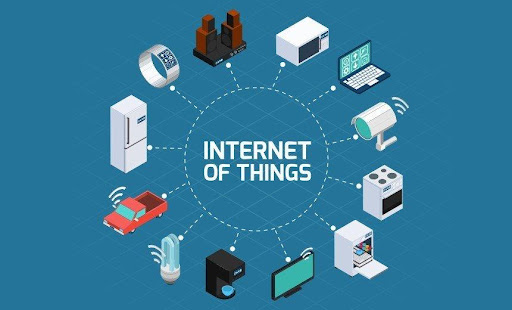
    The Internet of Things (IoT) is a gold mine—and the foundation of a glorious technological future. IoT has transformed practically every corporate industry, from healthcare to manufacturing. So it’s no wonder it’s already influencing web app design and development.

    In addition, 83% of firms implementing IoT technology have increased efficiency.

    IoT is bringing revolutionary advances to web development. In addition, it is changing how people engage with web pages and web apps.

    The purpose of this article is to discuss the impact of IoT on the future of web app design and development.

    These statistics demonstrate the improvements brought about by IoT technologies:

    • According to 2015 statistics, 15.41 billion devices were discovered to be linked to the Internet. 
    • According to studies, by 2020, over 20 billion IoT systems will be operational and linked to the Internet.
    • By 2023, around 3.5 billion cellular IoT connectivity will be projected.
    • IoT is expected to reach $4 to $11 trillion in economic value by 2025, so we look at how its expansion will affect the web app design industry.
    • The latest IoT-enabled construction trucks are predicted to boost their productivity by 45%.
    • According to the most recent Accenture statistics, Industrial IoT devices have the potential to add $14.2 trillion to the industry by 2030.

    What is an IoT web app?

    A web application (or “web app”) is a software programme that uses web technologies and web browsers to execute specified operations or tasks via the Internet.

    The application is the user-facing element of an IoT system in the IoT context—and for customers of an IoT device, the application runs on an Android or iOS mobile and tablet, enabling users to connect, monitor, and manage the connected device (s). As a result, the Internet of Things links objects and consumers to the learning of innovation.

    Now, IoT devices can show website data and results. Nonetheless, the importance of IoT in web development is expanding and providing advanced communication between website design and operational models.

    How is IoT Changing the Future of Website Development?

    As a result, web developers must understand how to integrate IoT to create user-friendly and advanced site designs. In addition, programmers should ensure that web apps may provide personalized experiences and interface with other devices.

    Additionally, as the need for connected devices grows, organizations should be able to adapt to IoT. For example, company owners may leverage the Internet of everything to attract clients by engaging them on several devices simultaneously. As customers adopt new technology, businesses must follow suit to remain competitive. Therefore, it is critical to have IoT-enabled site design and development to reach more clients.

    Impact of IoT on the Future of Web App Design & Development:

    IoT is already influencing New Orleans Web Design and development. IoT-based web development elevates the base web architecture while making user interfaces more valuable and dynamic.

    Although IoT devices are now limited to displaying information and result from a website, service, or bespoke web application, however, they will soon develop improved connectivity across web page layouts and operational models.

    • Increasing the Entry Barrier: 

    IoT devices need a complete understanding of programming, coding, and database administration. In addition, web designers will now need to broaden their knowledge, suggesting that entry-level IoT development positions must be familiar with new web technologies.

    • Dynamic UI Development:

    IoT devices require an active UI that can suit the demands of numerous user profiles. As a result, the function of the web designer and the relevance of UI and UX design will improve the app development process and aesthetics. Reasonably, IoT systems backed by robust web app design will provide additional options, flexibility, and dependability.

    • Security is a top priority:

    Modern Internet of Things devices lacks advanced security features. Web developers will be needed to have encryption expertise. To protect IoT devices from security breaches, various elements must be included. 

    The general people may be more concerned about digital security. Modern IoT gadgets will need authentication processes, verification, and control access systems.

    • Improves Power Administration:

    IoT gadgets rely on wireless activities and battery-powered instruments. As a result, a filled power management system is required. Furthermore, while big projects operate in the background, substantial power drains are predicted, impeding communication flow. As a result, developers should create layouts that reduce excessive power use.

    • Data collection:

    One of the critical difficulties in web app design and development is the time-consuming process of organizing user input. IoT devices have transformed and simplified the data collection process. It would be difficult to collect and deliver this information back to the user’s servers without this data-gathering function. Furthermore, the database-reliant nature of these gadgets makes data management considerably more accessible.

    • An increase in the overall difficulty level:

    We are all aware that IoT devices rely on networked databases to function. When you consider the focus on front-end user interfaces in web development and design, you have a time-consuming and demanding job on your hands. Complex development cycles will need the adoption of new project management mindsets.

    It will be necessary for developers to use tools such as task allocation, goal definition, and weekly and daily check-ins differently.

    • Apps need to be modified:

    To be successful and sustainable, mobile apps must offer comprehensive communication with the surrounding devices. Therefore, app developers must work hard to make their apps IoT-ready.

    Conclusion:

    There is no denying that web apps are essential in how we live in today’s internet and technology ecosystem. Web app design and development are having a growing influence on our everyday lives, but one sector that has not been affected by this trend is IoT. However, when new opportunities for distributed applications emerge due to the Internet of Things, Mobile App Development Toronto firms should investigate the role these technological advances will play in their current and future initiatives.

  • A Beginner’s Guide to Programming Languages Used in Web Development

    A Beginner’s Guide to Programming Languages Used in Web Development

    Programming has its own language and jargon and can be a lot to take in for beginners. Not only do programmers have their own language, but they also use several languages with their own vocabulary and grammar. 

    Programming language is a formal language with its own semantics and syntax that communicates instructions to a machine and, in many cases, a computer. 

    It’s important to know which web development language fits your requirements so that you can start investing in a specific language that can save you time and energy. 

    What is Web Development Language Best for What? 

    Learning a new site development language opens many doors in the job market for many people. The expected salary for every web development language is vital for these people. Some best-earning web development languages are CSS, Java, JavaScript, and Python. 

    At Sytian Productions, web developer philippines, we always tell clients that when choosing a web development language, you must know that this sector is fast-paced. Therefore, everything changes quickly, and you must keep up all the time to stay relevant. 

    However, it’s worth noting that some web development languages are more likely to be hit in the future than others. If you want to remain relevant in the trends of today, then you might be focusing on languages like Java, JavaScript, Phyton, and C++. 

    Although hyped, learning a web language is more challenging than it looks. At times, learning an actual language can be easier. Thus, it’s perfectly understandable for someone who wants to learn a web development language but doesn’t want to have a difficult time remembering it. If you’re the type who’s looking out for a web development language that’s easy to learn as a software developer, then you should learn HTML, Java, JavaScript, and PHP. 

    Alternatively you own a business and want to scale it in the long-run, working with a reputable mobile app development company can help you reach your goals. 

    Here are the best programming languages used in web development: 

    HTML

    HTML is the language used to construct net pages on the internet. HyperText Markup Language (HTML) is usually written in tags enclosed in brackets. 

    This language gives you the building blocks of websites and can be used hand in hand with other languages like Cascading Style Sheets and CSS. With HTML, websites will appear as they do. 

    This programming language is originally developed in the early 70s. This general-purpose language allows you to create a list of instructions for the computer. 

    Later languages like the C ++ and Java borrow from C. It was also used as a rewrite for the B language and tied to the UNIX computer operating system. These days, it’s a vital part of the programmer’s dialect. 

    C++

    C ++ is a more evolved version of the C programming language. Its creator, Bjarne Stroustrup, first called it C with classes. 

    It adds object-oriented features to C, one of the most used programming languages. Thus, software and IT professionals must be proficient in using this language. 

    CSS

    Cascading Style Sheets, also known as CSS, is a style sheet language that describes how a document is presented and is written in HTML or XML. This language is often utilized in styling all HTML elements, including the document’s colors, fonts, and layouts. 

    CSS is relatively easy and has a wide range of applications. It’s an excellent choice for beginners along with more experienced developers. 

    Python

    Python is another hyped website development language, and rightly so because of its versatile nature. It’s also easy to learn and use. 

    Python is a simple general-purpose language and can build highly complex programs. It’s also quite popular as a go-to programming language for learning, data since, and artificial intelligence. No doubt that it’s one of the best languages to use for web development. 

    Since it’s mainly used on the back end, it’s an excellent language for beginners. It’s simple and highly readable, especially if it is your first coding language. 

    It’s also an object-oriented programming language, dividing your code into separate units which you can transfer between projects. This helps you avoid redundant programming. 

    Furthermore, it features an extensive collection of frameworks, libraries, and modules- collections of pre-written code that allow you to scale your app and software development quickly. 

    JavaScript

    In web development, JavaScript is king and is one of the common languages used by web developers. Not only it lets you come up with web applications, but mobile apps as well. 

    One of the best things about JavaScript is that it can run on browsers and servers with Nodejs and gives you great frameworks and libraries that can be used for app and web development. 

    Java

    This programming language is a language that’s independent of the platform. Thus, programs can be run on different types of computers. 

    Another great feature that sets it apart is the API, which features a library of thousands of classes. This language is a simplified version of C++. 

    However, the extensive API makes learning the language challenging. Nevertheless, it’s an excellent language for software developers and IT professionals. 

    PHP

    PHP is one of the best site development languages in web applications. It stands out with its highly dynamic nature that is efficient on data-heavy sites. 

    Most significant sites utilize PHP as their web development language, from Facebook to WordPress, enhancing its efficiency. It’s also an open-source language. Meaning a software developer could modify it the way you want. 

    Moreover, just like Java, it can make web pages more dynamic. You can also connect with databases and servers, communicate with external sites, and personalize content based on the IP address, data, and time information. This is one of the most common and essential languages web developers must learn. 

    Over to You

    So there you have it. No matter what site development language you want to learn, you must also be aware that you’re stepping toward the future. Working with a good mobile app development company in Toronto can also help you achieve your goals. Those well-informed in site development language hold the key to the future.

  • On-Demand Delivery App Development

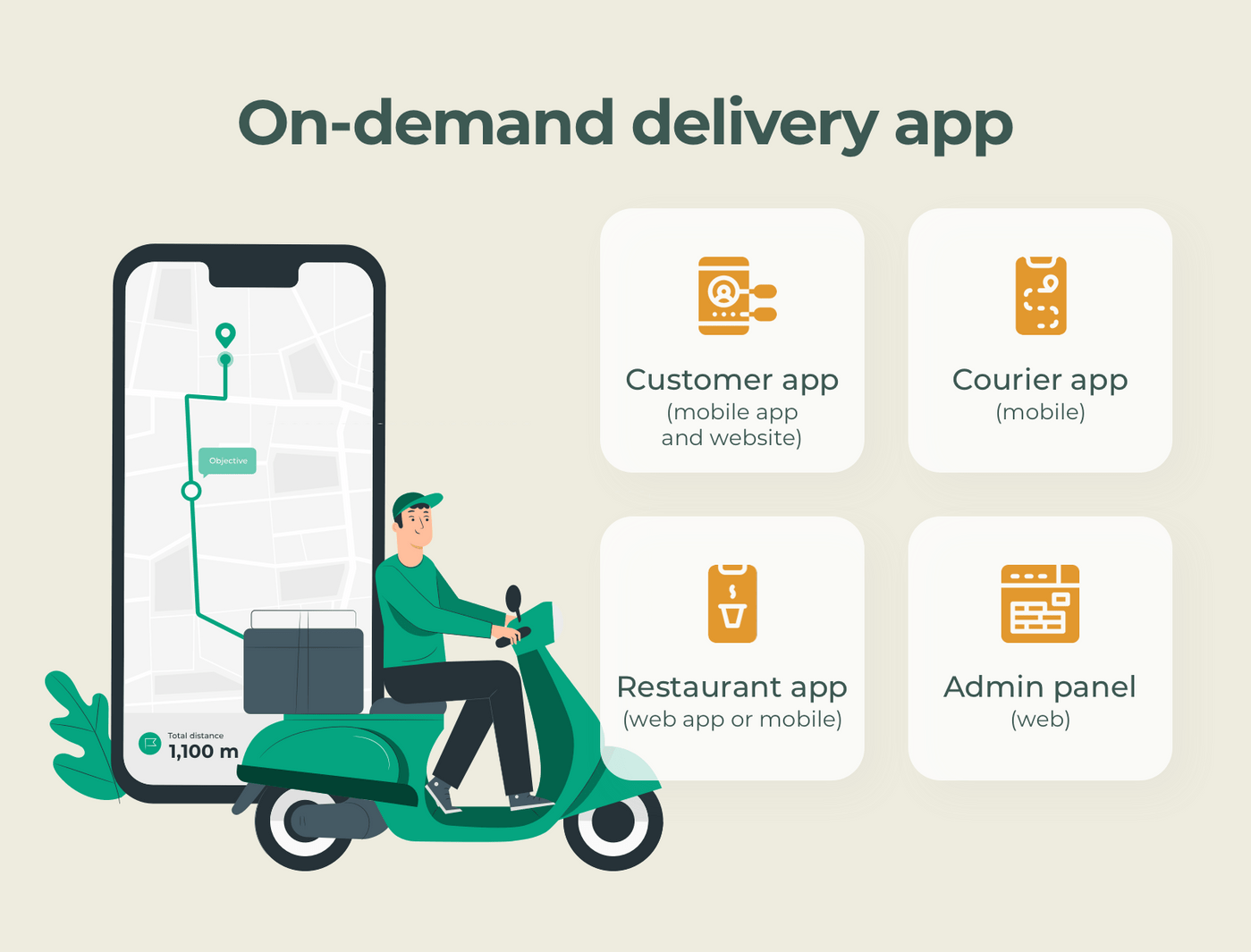
    On-Demand Delivery App Development

    Planning to start an online business? Don’t be left behind…This is the time!!!

    Last year the online on-demand market soured to astounding figures. They opened up markets to players who were never related to these fields. The influence of on-demand delivery apps is so massive that revenue numbers now spoken of are only in the Billion mark figures.

    This is no short feat.  The Indian consumer has always had challenges in accepting anything new.  This stands true for until five years ago.  However, a plethora of change has already swept through the country with a population of 135 crore potential customers.  Well, that was the story then & now has new beginnings.  – And, there are numbers to back all this up.

    Disruption is the New Norm

    Read how on-demand services are disrupting the primitive business model

    While the food delivery companies hauled in almost $10.19 billion into the money pool, with almost $5.4 billion generating through restaurant deliveries only, the on-demand home health services raked in a whopping $5.6 billion.  And, our love affair with the on-demand taxi services has also kept their flags flying high up enough to take notice with a smooth revenue of $11 billion.  

    Like we just mentioned before – This is no short feat.

    What does this mean for you?  

    Why do you need an On-Demand Delivery App?

    Is the business plan viable?

    We all know how unfortunate the events are right now.  We are not been insensitive.  But there are doers and then there are donners. 

    The need for, more and more and more, on-demand services is in fact more critical now than ever.  

    You would not only be starting your business venture but also be filling in the massive gap that still exists between supply and demand.  More importantly, you will also be contributing to society by easing out the reach to people in need.  This is not only a mode to sustain yourself financially but also a way to contribute to society.

    On-demand Delivery App Services – Made on-demand & Delivered on time

    Sites throughout the web keep on repeating the same phrase ‘On-demand delivery apps are disrupting one industry after another’, like parrots who had enough of the cuckoo. 

    We all know the market has been disrupted.  What next???  

    How do we make sure that the value created due to this disruption tends to positively affect potential entrepreneurs or business people who are trying to venture into new grounds? 

    Everyone has a bare skeleton structure (Professionally known as Blueprint) of the business; they want to get into.  On-demand delivery apps are the most promising and lucrative ventures that anyone could now get into, however, the backend team needs to be as strong and as motivated as the frontend business team.

    This is where the colourmoon shines.  Our company has been developing and deploying software for the past decade and knows the ins’ & outs’ of a business model that is heavily reliant on software development and maintenance. 

    On-demand Delivery Opportunities For you

    It is not inaccurate to mention that the list of an on-demand delivery business is exhaustive.  There are so many options. There are sections of vast untouched markets that have the potentials to earn superfluous amounts of money.  When we say superfluous, we mean it. 

    Due to the current challenges and limits in providing the right kind of software development and support to new entrepreneurs and other potential investors, there is plenty of monopoly in regards to on-demand delivery apps.

    Swiggy and Zomato rule the restaurant delivery sector with only a few players who are way behind them.  Again, Uber and Ola have the taxi on-demand market cornered.  Amazon and Flipkart are the eCommerce giants while no one knows a second name for a company that provides on-demand services for home-based services apart from Urban Clap (Now known only as Urban).

    With a nation, that has almost 1.3 billion population and 65% of them under 45 years, a couple of on-demand service providers per sector is an anomaly that we cannot begin to fathom.

    While we can argue to Infinitum, there is no point in doing so until we take the first step and make some fortune for ourselves.  And, while most people assume that there are only 5 to 6 types of on-demand delivery services, we beg to differ and are listing the details to make a point!

    Different types of on-demand Applications

    1. Person to Person on-demand delivery App

    Also known as the P 2 P demand App, this business model is very simple and rather easy to implement.  There are no middlemen and the customer can directly order from you and get the delivery.  No extra commissions or hassles.  

    The main revenue generator here is your on-demand delivery app!  It does all the work while you can concentrate on other important things such as marketing, people management, business development, and expansion, etc.

    Common examples for a P 2 P App are Airbnb, Doctor on-demand, Post Mate, and Uber (The pioneer for person-to-person people order services) – that is a lot of Ps

    1. Enterprise to Person on-demand delivery App

    Let us get this straight.  P 2 P later become enterprises themselves.  It is just a matter of time.  This simply means that it is good to start early so that you have a head start into the market and gradually reach to the E2P stage.

    All the famous brands you know, such as KFC, McDonald’s, Burger King, Pizza Hut, etc. have their own Apps too.  Yep, most of us are not familiar with that but it is a fact!  

    However, they are also listed on other restaurant delivery apps such as Swiggy and Zomato too.  That is a smart move… 

    When customers orders from their own on-demand delivery app, they are making an E2P exchange with McD’ or KFC.

    1. Enterprise to 3rd Party to Person on-demand delivery App

    These companies earn a lot.  When we say a lot, it means billions.  Amazon, Flipkart, Big basket, Snap deal, etc. are all E3p on-demand delivery Apps that 99% of the time sell other company’s products to consumers.  They also have their in-house products hence the 1% less.

    Although the business model is pretty simple, maintaining this App requires a lot of skilled expertise and the business needs a great deal of marketing to start earning revenues.

    1. Enterprise to Enterprise on-demand Delivery App

    If you are a vendor and currently supply goods to larger companies, this App is the best business model for you.  It gives you the opportunity to grow your business and expand it to other regions too.

    The E2E model is very commonly used by vendors, suppliers, maintenance companies, etc.

    All the above types of Apps may seem different but they actually have the same model of operations – Manufacturer/developer/Publisher to Provider (Middleman) to Receivers (130 billion Indians!)

    There are nitty-gritty arguments for the above statement but let us keep it for some other time.

    Online On-demand Delivery Market Research

    What we have learned from the extensive market analysis is that the products or services offered by monopoly companies can further be divided into subcategories.  This way you as an entrepreneur and businessperson will have more focus on a consumer sector and your App and products/services will appeal to a niche` crowd.

    We got some of our team members to make a comprehensive list of on-demand delivery services that can be provided for a varied group of consumers.  

    •    Courier Delivery App
    • On-Demand Beauty Service App
    • On-Demand Tow Trucks
    • On-Demand Handyman App
    • On-Demand Tutoring App
    • Packers and Movers App
    • On-Demand Flower Delivery App 
    • On-Demand Plumber Service App 
    • On-Demand Babysitter App 
    • On-Demand Laundry App 
    • On-Demand mechanics App 
    • On-Demand Massage App 
    • On-Demand Doctor App
    • On-Demand Pharmacy Delivery App


    Note: All the Apps Marked in yellow has huge demands in the market right now.

    Conclusion

    So you got your business idea and a general layout of the trade plan.  What next?  You need an on-demand delivery service App and here we are

    What makes the Colour Moon Technologies the top on-demand delivery App development Company in Hyderabad? 

    With more than a decade worth of experience in the software industry and beyond 2000 projects in its impressive portfolio, thecolourmoon has some of the most professional and highly skilled software developers who provide end-to-end solutions to their clients.  Some of the achievements include:

    • 3000+ committed and devoted clientele.     
    • 5000+ successfully deployed projects throughout the globe.
    • Some of the most successful on-demand delivery App publishers on the Google and Apple Play stores.
    • Ranked No.1 Software and Mobile App Development Company in Delhi on different platforms. 
    • End-to-End solutions provider for all types of on-demand delivery service Apps.
  • Ultimate Guide: Hire A Custom Software Development Company

    Ultimate Guide: Hire A Custom Software Development Company

    Nowadays, software development is swiftly turning into a commodity, and like in any commoditized sector, you have options. Large multinational corporations and lone freelancers are both examples of offshore software. The custom software development company you hire will take care of all your software requirements, including delivering end-to-end custom software development, assisting businesses in closing their technological gaps, employing software developers who are devoted & assuming control of ongoing projects.

    Why hire a custom software development company?

    • Cost saving 

    Application developers are very pricey, particularly for those with the most in-demand abilities. Outsourcing work to professionals in less expensive regions makes sense as IT directors attempt to minimise costs.

    • Demand management

    As business conditions change in the upcoming year, there will be a major variation in the demand for software developers and particular technical talents. Outsourcing can assist you in managing variable demand and delivering just-in-time adaptability and resilience as IT efforts scale up and down.

    • Skills Sourcing 

    Businesses supplement their in-house personnel with specially experienced outsourced developers to stay up with the digital transition. They can do it at a lower cost than the domestic market and bring in much-needed specialist knowledge. Investment Application development, frequently IT’s biggest line item, will continue to command a larger share of tech budgets despite budget cuts because the innovation agenda is still a principal focus.

    Step-by-step guide to a successful outsourcing partnership:

    Step 1- compile the shortlist.

    If you have never outsourced a software project, you probably won’t know where to start looking for a suitable business. Using a checklist, you can better understand the technical and business requirements for selecting high-calibre partners. It offers instructions for thorough evaluations that match companies with the most qualified and compatible outsourcing partners. The modern software outsourcing process is a joint effort between you and your contracted team. Make the necessary research to discover an enterprise-grade partner with proactive problem-solvers who will produce results above and above expectations rather than settling for a group of underperforming, order-taking engineers. 

    Step 2- Selecting the accurate firm

    There are many onshore and offshore custom development companies because software development outsourcing is a booming industry. The Internet search will present you with hundreds of pertinent web pages right away. Look for the following key points when opting for a firm

    Portfolio

    Review the project descriptions and the company portfolio. Pay attention to specifics like tech stacks, team numbers, delivery schedules, etc.The most crucial thing to examine is whether the business you are considering as a partner has any experience creating software for your sector. 

    In-demand Skills

    Expect to pay a premium for cutting-edge or highly specialised abilities due to the need for more hot tech expertise. Abilities like architecture, DevOps, AI, and data science will always be in higher demand than “core” development skills, regardless of the location.

    Location inclinations

    Certain areas gain a reputation for having particular competence, which increases demand and raises pricing. Rates will also rise in nearshore areas with close working overlaps. Additionally, rates are a little higher in nations comparable to advanced economies.

    Experience

    A developer is more likely to cost more the more experience they have. 

    However, this has all the advantages of working with seasoned experts. 

    Developer prices will vary according to experience and competence, even within a single region.

    Engagement Period

    When calculating rates, outsourcing companies consider the project’s length; lengthier projects are typically priced better than short-term ones. Identify this up front for any future rate reductions if you intend to run your engagement for a number of years.

    Step 3- Choose the right pricing model

    Cost consideration is just as important as finding the right partner for your outsourcing project. The expectations you have regarding quality, timeliness, and your budget should all be in the right balance in your pricing model. You can set yourself up for win by negotiating well in advance. One of the top three reasons (56%) for businesses to renegotiate their outsourcing contracts is the pricing structure, according to a BCG study.

    Step 4- Dedicated extended team 

    You want to work with a reputable outsourcing company with a track record of successfully completing projects. Request case descriptions and client endorsements. If a company client still needs to sign a non-disclosure agreement (NDA), you should contact them personally to find out how they feel about working together. Do they consider it a success? What were the benefits and drawbacks of wo

    Step 5-Implement right project management methodologies

    Your entity’s business outcomes and team productivity may be considerably impacted by your chosen project management approaches. To effectively teach your team and get the necessary results, it is crucial to be intentional about your company’s project management practices. The most common methodology that will work best for any circumstance are:

    Agile

    This methodology works effectively for businesses that need to offer regular updates, quick turnaround, and maintenance support for their goods and services, such as software and web development firms. Agile managers promote a shared accountability and support culture by ensuring team members are aware of everyone’s objectives and position within the organisation. 

    RAD

    Rapid Application Development (RAD) methodology uses a structured prototype approach to continuously find and improve a project’s optimal parameters. Consumers are the primary emphasis of RAD, which leverages ongoing data collection to quickly enhance a project’s user interface. Project managers may alternate using RAD and other techniques, switching between short-term and long-term product updates because applying RAD to a project entails addressing quick modifications rather than effective system or product overhauls.

    Lean

    The Lean technique is successful when all workflow components are examined, and their effects are mapped out. Instead of implementing a new process, Lean analyses the intricacies of an existing one and uses this information to reverse-engineer an effective system.

    Concluding remarks 

    While weighing the merits and drawbacks, remember that your competitors are already outsourcing and benefiting from it. For instance, take a mobile app development company; you have to determine the factors that will impact your project’s outcome. The good news is that your original ideas may be successful because the market is expanding daily. Hire Custom Software Developer and predict the potential dangers and success chances that could occur with each methodology based on your chart and project data. Decide with your team how much risk you are willing to take on because the method with the best chance of success may also have the largest danger of failure.

  • The Power of Storytelling in Website Design Services

    The Power of Storytelling in Website Design Services

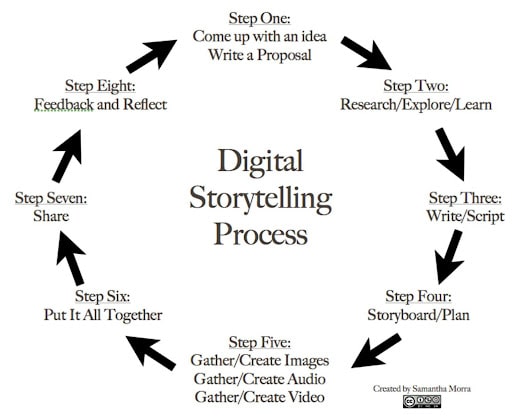
    Storytelling is a powerful tool that can be used to engage and connect with an audience. This is especially true in website design, where storytelling can be used to create an emotional connection with visitors and help them understand the purpose and value of a website. In this article, we will explore the power of storytelling in website design services and provide examples of how it can be used effectively.

    Why stories are important

    The first thing to understand about storytelling in website design is that it is not just about telling a story. It is about creating an experience for the visitor that is both engaging and meaningful. This can be achieved through the use of elements such as images, videos, and text that work together to create a cohesive narrative.

    One of the most effective ways to use storytelling in website design is to create a story that is both relatable and relevant to the visitor. This can be done by using images, videos, and text that highlight the problems or challenges that the visitor may be facing and how the website can help them overcome those challenges. For example, a website for a financial planning service could use storytelling to show how the service can help visitors achieve their financial goals.

    How to do storytelling

    Source

    Another way to use storytelling in website design is to create a sense of authenticity. This can be done by using real-life examples and testimonials from actual customers. This can help visitors connect with the website on a personal level and feel more comfortable with the service or product being offered. For example, a website for a travel company could use storytelling to show how the company has helped other customers plan and book their dream vacations.

    Storytelling can also be used to build trust and credibility with visitors. This can be done by highlighting the company’s experience and expertise in the industry. By using storytelling to show the company’s history and how it has helped other customers, visitors will be more likely to trust the company and be more likely to do business with them. For example, a website for a law firm could use storytelling to show the firm’s history and experience in handling similar cases to the visitor’s.

    Another powerful way to use storytelling in website design is to create an emotional connection with visitors. This can be done by using images, videos, and text that evoke emotions such as happiness, hope, and inspiration. This can help visitors feel more connected to the website and the service or product being offered. For example, a website for a non-profit organization could use storytelling to show the impact of the organization’s work on the lives of people it serves.

    Solve user problems with storytelling

    By using storytelling in website design, you can create a more engaging and user-friendly website that addresses the user’s problems and helps them to achieve their goals. It’s important to keep in mind that the story should be tailored to the specific user’s needs and pain points.

    1. Understand the user’s perspective: Understand the user’s needs, pain points, and goals to create a story that addresses their problems.
    2. Use relatable characters and scenarios: Use characters and scenarios that are relatable to the user to make the story more engaging and easy to understand.
    3. Use clear and simple language: Use clear and simple language to explain complex concepts and make the story easy to understand.
    4. Use storytelling in onboarding process: Use storytelling techniques in onboarding process to make it more engaging and memorable, helping users to understand the value proposition and make them familiar with the app or website.

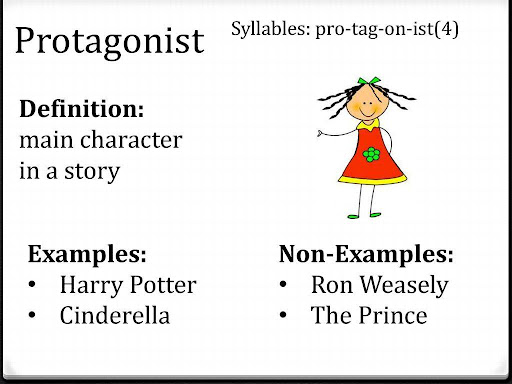
    The protagonist way

    A protagonist is the main character in a story. The protagonist is typically the character with whom the audience identifies and through whose perspective the story is told. The protagonist’s goal or desire drives the plot of the story and their actions or decisions shape the story’s outcome.

    For example, in William Shakespeare’s play “Romeo and Juliet,” Romeo is the protagonist. He is deeply in love with Juliet and his desire to be with her leads to the tragic events of the play.

    In the novel “To Kill a Mockingbird” by Harper Lee, the protagonist is Scout Finch, a young girl growing up in the South during the 1930s. The story is told through her perspective and her growing understanding of racism and prejudice in her community shapes the novel’s themes.

    Another example is the movie “The Matrix”, Neo is the protagonist. He is a hacker who discovers that the world as he knows it is a simulated reality, and he joins a rebellion against the machines that created it. His desire to free humanity from the Matrix drives the plot of the story.

    In all three examples, the protagonist’s goal or desire drives the plot of the story and the audience experiences the story through the protagonist’s perspective.

    Build a website structure with a story

    Building a website structure with a story can help to engage visitors and convey a brand’s message in a compelling way. Here are some tips for using storytelling in website structure:

    1. Define the main goal of the website: The website’s main goal should align with the brand’s message and the story you want to tell.
    2. Create an outline of the story: Before building the website, create an outline of the story you want to tell. This will help you to organize the content and structure of the website in a logical and cohesive way.
    3. Use a consistent narrative: The website should have a clear and consistent narrative that guides visitors through the site.
    4. Incorporate interactive elements: Incorporate interactive elements such as quizzes, polls, and forms to encourage engagement and make the story more interactive.
    5. Test the website structure: Test the website structure with a group of users to gather feedback and make any necessary adjustments.
    6. Create a clear narrative: Your website should have a clear and consistent narrative that guides visitors through the site.
    7. Use visuals to tell your story: Visual elements such as images, videos, and infographics can help to convey your story in a more engaging way.
    8. Use headlines and subheadings to break up content: Headlines and subheadings can be used to break up content and make it easier for visitors to understand and engage with your story.
    9. Use storytelling in calls to action: Use storytelling techniques in your calls to action to encourage visitors to take action.
    10. Use storytelling in mobile app development services: Storytelling can also be used in mobile app development services to create a more engaging user experience. You can incorporate storytelling elements into the app’s design, such as using a consistent narrative or incorporating interactive elements.

    In website design, storytelling can be used to engage visitors and convey a brand’s message in a compelling way. 

    When it comes to mobile app development services, it is important to make sure that your app is designed with a strong user experience in mind. This means incorporating elements such as intuitive navigation, a clean and simple design, and interactive elements that encourage engagement. Additionally, it is important to make sure that your app is optimized for mobile devices, so that it loads quickly and runs smoothly on a variety of different devices.

    Conclusion

    In conclusion, storytelling is a powerful tool that can be used to create an emotional connection with visitors and help them understand the purpose and value of a website. By using storytelling to create a relatable and relevant story, build trust and credibility, and create an emotional connection, website design services can engage visitors and help them understand the value of the service or product being offered. A well-crafted website that tells a story can be the difference between a visitor clicking away and becoming a customer.

  • Top 9 Front-End Web Development Frameworks For 2023

    Top 9 Front-End Web Development Frameworks For 2023

    Due to the growing significance of digitization and online operations, front-end development is critical. All web application development has been pushed forward by front-end technologies like Frontend Frameworks, and they are gaining momentum. A framework piece of software makes it easier to start and keep up large projects. Developers can handle everyday programming tasks by utilizing frameworks, which are collections of fundamental software modules with pre-written code.

    Utility applications, code libraries, scripting languages, and other software components that simplify the creation and use of substantial software product components are prime examples of framework tools. Users will initially come into contact with and use the front end. Let’s take a comprehensive look at the most popular front-end web app development frameworks used the most, including those that will dominate technology projects in 2023 and beyond.

    What Are The Top Front-End Web Development Frameworks For 2023?

    1. React

    One of the best front-end frameworks, React, or ReactJS, was developed by Facebook to address issues with code maintainability. The Virtual DOM and how it handles document access and manipulation are one of its distinguishing features. Each HTML element functions as an object because of the DOM’s excellent interaction with HTML and XML documents, which mimic a tree structure.

    The most widely used front-end framework for individuals seeking a dependable technology platform is React, an open-source framework. When it comes to creating components, React uses JSX coding style with the mix of HTML quotes & tag syntax. It is fairly steady and used to manage a lot of traffic. It divides larger components into smaller ones that can each be managed independently. Developers’ overall productivity will undoubtedly rise as a result of this feature.

    Benefits of React

    • Component reusability makes collaboration and reuse in other parts of the application easier.
    • You can get consistent and seamless performance by using virtual DOM.
    • Because it lets you write components without classes and makes learning React easier, it is the best way to write components in React hooks.
    1. Angular

    The most popular web front-end framework is Angular, the best front-end framework. It is a framework for making advanced and effective applications with just one page. Google developed this Typescript-based development platform. Angular has a set of tools for developers to create, build, test, and modify code and a collection of well-integrated libraries. Depending on the requirements of your project, you can scale single-page apps to enterprise-level apps completely. Google Translate and YouTube currently make use of it. Additionally, it has many features, making it one of the most widely used frameworks.

    Benefits of Angular

    • The ability to update model changes to views and vice versa is built in.
    • Reduces the amount of code needed because many well-liked features, like two-way data binding, are included by default.
    • It separates the components from their dependencies by defining them as external elements.
    • When dependency injection is used, components can be reused and easily managed.
    • A large community of learning and support.
    1. Vue

    Vue.js is a cutting-edge, progressive MVVM framework that maximizes the benefits of incremental adoption. Vue.js, one of the most impressive JavaScript frameworks, has created small, flexible, interactive UI elements. Through a simple and adaptable API, it provides data-reactive elements. It’s simple to finish smaller projects before moving on to bigger ones.

    Because of its small size, Vue.js is simple to download and install. It provides extensive documentation in addition to easing the binding of existing applications. Additionally, it helps developers comprehend peer front-end frameworks like Angular.js and React.js. HTML blocks can be handled with ease thanks to their MVVM architecture.

    Benefits of Vue

    • Simple and quick
    • suitable for novices
    • thorough documentation
    • straightforward syntax
    • two-way data binding
    • SEO-friendly
    1. Svelte

    Svelte is a novel technological strategy for developing web applications. It is a set of rules, tools, and components for building your website’s structure. It is used for creating high-performance user interfaces using JavaScript. Svelte stands out from the other front-end frameworks because it does not use virtual DOM.

    This is an important aspect of this framework because it speeds up the coding process right from the start and makes the website much lighter to use. If you need a small, quick application developed by a small group of front-end developers, including novices, Svelte is a good option. Since this front-end framework is not widely used, you should refrain from using it for large projects. Additionally, its small community may not provide you with the assistance and tools you require.

    Benefits of Svelte

    • Swelte is very fast compared to Angular or React
    • The most recent and scalable framework.
    • Lightweight and simple.
    • Uses JavaScript, the most popular front-end libraries that are already present.
    1. Ember

    Another open-source best framework for front-end development is Ember. It could assist you in developing cutting-edge user interfaces for cross-platform software, mobile applications, and desktop and web solutions. You can create intricate web and mobile applications using Amber’s efficient architecture. It follows the MVVM structure. A useful feature of Ember is that it generates a testing program by default for each new entity. You can always count on the ever-expanding community of brilliant Ember developers to release and enhance new features when you use the platform.

    Benefits of Ember

    • Server-side rendering
    • Consistent documentation
    • Native tools for testing and debugging
    • widget-based component approach
    • Two-way data binding
    • URL focused approach
    • Well organized community
    • Supports TypeScript and JavaScript
    1. Semantic UI

    Semantic UI is a new player in the front-end framework market (2014). It is a natural CSS framework based on languages. This framework stands out due to its intuitive user interface, straightforward features, and precise usability. It brings together natural language, making codes simpler and easier to understand. On the GitHub platform, this framework quickly rose to the top of the JavaScript projects. Due to the integration of multiple third-party libraries. It also enables a resourceful development process.

    Benefits of Semantic UI

    • Rich and responsive UI components.
    • Organic code that is easy to understand.
    • Integrations with React, Angular, and Amber.
    • A great selection of themes.
    1. NextJS

    The open-source JavaScript framework NextJS enables the creation of extremely user-friendly and lightning-fast websites. NextJS renders the server and client sides using universal apps when creating single-page applications. By combining dynamic and static attributes through automatic static optimization, this lucid front-end framework can assist you in developing hybrid applications.

    AT&T, Hash node, Twitch, and TikTok are well-known websites that use the front-end development platform NextJS. Additionally, it is emphasized more for its support of significantly enhanced search engine optimization or SEO benefits. 

    Benefits of NextJS

    • Using SSR rather than client-rendered JavaScript increases your website’s visibility in search results.
    • With better user experience and faster loading times, NextJS helps keep visitors engaged on your website.
    • On each page, NextJS splits the code.
    • Images are automatically optimized by the powerful native API’s built-in components.
    1. jQuery

    jQuery is one of the best and oldest front-end frameworks developers still use. Additionally, since jQuery has been on the market for a long time, a sizable community is dedicated to finding solutions. This framework is tiny, quick, packed with features, and compact. Additionally, it is a client-side HTML scripting-friendly cross-platform library.

    With just one line of code, jQuery covers a lot of JavaScript code. It simplifies many complicated JavaScript features, like AJAX and DOM manipulation. CSS manipulation, HTML event methods, effects and animations, HTML/DOM manipulation, AJAX, and additional utilities are just a few of the brilliant features in the jQuery library. It also has plugins for almost every job.

    Benefits of jQuery

    • Items can be added to and removed from the DOM.
    • The transmission of HTTP requests has been simplified.
    • Simplifies HTTP requests and enables dynamic content.
    • The library’s reduced size is approximately 19 KB.
    • Elements can be animated using SS properties, and transition mode lets you change the animation’s length.
    1. BackboneJS

    Another open-source JavaScript front-end framework is BackboneJS. This framework performs admirably when developing a client-rich application using a collection of REST APIs. Providing models with key-value binding and custom events gives web applications structure. BackboneJS provides a rich and smooth user experience by retrieving all necessary codes, such as HTML, CSS, and JavaScript, in a single page load.

    Additionally, it offers a Router for single-page application development. BackboneJS is hosted on GitHub and has an online suite, tutorials, and a list of real-world projects that use it, such as Uber, Pinterest, Reddit, and Walmart.

    Benefits of BackboneJS

    • BackboneJS removes code clutter that makes it difficult to read in either case.
    •  Maintains clean code even though multiple people are working on a code together.
    • BackboneJS has a lot of plugins and extensions because of the strong community support. Additionally, it has well-documented solutions to the majority of issues.

    Conclusion

    Front-end development has emerged as an indispensable component of today’s web application development services. With their extensive library, these front-end development tools can build websites and web apps more quickly than other frameworks. According to the State of JavaScript, React, Angular, Vue, and jQuery are the front-end frameworks developers use the most, making them the top front-end technologies for 2023.

    However, the circumstances surrounding Semantic-UI and Emberjs are distinct. Developer communities are becoming interested in the best frameworks for front-end development, Emberjs, and Semantic-UI. As a result, we now clearly understand how front-end development tools work and which frameworks will work best for your 2023 technology projects.

  • Unlocking the Secrets of Android App Security: Mastering the Best Practices to Safeguard Your Android Application

    Unlocking the Secrets of Android App Security: Mastering the Best Practices to Safeguard Your Android Application

    Introduction

    Everyone wants and needs full security. Android app security is regarded as a crucial element of app development as a result of the sharp increase in viruses and cyberattacks on various apps. So having an android app that is highly secure guarantees hassle-free business operations. You must safeguard a tonne of data that you’ve stored on your device, whether you utilize it for business or personal purposes. Implementing various steps to safeguard the android apps that provide in-app purchasing has also always carried a slight financial risk. 

    In the background of many android apps, behavioural data is gathered. As a result, it would be preferable if, as a business owner, you gave Android app security testing a top priority. We have all seen how the android app development industry has expanded over the past ten years, but so too have cybercrimes. But before we can discuss the security measures themselves, we must first comprehend the need for them and the potential app security problems that the android app development sector may face. 

    Businesses are overlooking crucial details as they compete to release the coolest apps first in this market. Mobile app security difficulties result from their failure to apply security standards during deployment and development.  In this post, we’ll examine the fundamental security procedures for android apps that you should put into place once the development is complete. Wish to learn more? Let’s get right to the specifics.

    Security Guidelines for Android Apps

    Android best practices for security and privacy aid in defining the appropriate approach throughout the application’s lifetime. These are the recommended practices that every android app developer should adhere to protect the app from vulnerability. This assists you in designing highly secure apps required to protect vital user information and keep customer trust. 

    Commercial organizations must maintain the security of their Android apps due to the increasing frequency and extent of data security flaws. You will find various security elements in this blog that can assist you in filling in security gaps.

    1. Protect the native code

    Developing mobile apps using Android SDK rather than Android NDK will maintain the native code’s security. Make sure that the developers are using Android SDK when you work with one of them. This may also originate from files or an IPC, both of which may be vulnerable to security risks. As a result, while developing, you should use Android SDK to protect the native code.

    1. Advanced authentication

    Today, the majority of developers use multi-factor authentication. With the help of a strong session management system and a disconnected system, the sensitive data is kept secure. Setting up a sophisticated authentication system employing instruments like JSON web tokens should be given priority. Only approved applications and compatible devices can access corporate resources thanks to the integrated and secure access gateway.

    1. Coding obscurity

    The source code needs to be secured while developing an Android app. Therefore, the developers ought to make it incomprehensible to both humans and the decompiler. When we talk about, obfuscation creates a code that is impossible to decipher. Reverse engineering is prevented and the level of secrecy for the intellectual assets is leveraged. It improves the Android application’s security in the process.

    Encrypting data security in android apps entails protecting all of the data kept on the device. It includes both the source code and the data that is transferred between the application and the back-end server. Furthermore, the back-end web service of the application is verified when certificate pinning is excluded. One of the best security techniques for Android mobile app security is data encryption. This will prevent hackers from stealing crucial data.

    1. Keeping the server safe

    The server is still susceptible to hackers today. This means that to prevent attacks, you must make the server and API secure. The use of certificate pinning aids in the validation of the application’s backend Web service certificate. To overcome this difficulty, you may build a firewall for web apps or perform code reviews.

    1. Safeguard transit data

    It’s crucial to protect your transit data. Your defence mechanism needs to be proactive. For instance, improved jailbreak detection is required, and status-based access restriction is needed.

    In addition, devices that have been flagged as non-compliant shouldn’t have access to business information. This guarantees that your sensitive data won’t end up in the wrong hands. The IT department or users can erase the firm data from the devices using selective data removal.

    1. Finding code tampering

    Anti-tamper methods ought to be included during the app development process. Anti-virus, activity logs, and signature verification should all be on the security checklist. This will enable you to keep track of any contaminated or exposed libraries that are introduced to your application’s source code.

    1. Continual evaluation and updating

    Hackers uncover and exploit software flaws, while engineers remedy the breach, causing hackers to discover another weakness. Although Google cannot prevent the creation of these vulnerabilities, it efficiently updates the Android operating system to address the issues that are discovered. 

    However, the safeguards will be ineffective if the program is out of the current. This shows that more than 75% of the devices are vulnerable. You should be aware that hackers take advantage of weak points and security gaps. 

    1. Data storage  

    When mobile devices are stolen or lost, data is vulnerable. Furthermore, a mobile device is not always safe because many users unlock (jailbreak or root) their device to gain access to new functions and apps. This procedure removes an important security layer. As a result, sensitive data must be stored on the server.

    1. Least privilege principle

    One of the most important Android application security best practices is to restrict access to application data. It provides system security as well as stability. Furthermore, it safeguards the data from flaws and malicious conduct. You can adjust this via the Android device’s settings, but keep in mind that it may interfere with application functionality.

    Clear checklist for mobile application security  

     Here is a checklist that we frequently use:

    • Authenticate on the server side.
    • Algorithms used in cryptography can be used.
    • Verify that the user’s input meets the check requirements.
    • Back up data using threat algorithms.
    • Reverse engineering is prevented by obfuscation

    Android app security audits can be used to ensure a hack-proof app, but no amount of security measures can guarantee protection from attacks from unknown sources. You may rely on the application store’s clearance to confirm that a specific app is secure. You must attempt and test them yourself, as the app store endorsements are not 100% reliable. If your app is depending on another person’s API, you must exercise caution. Their code must be secure for your device to be safe. Check that your application’s API allows access to the components of the app that are critical for mitigating threats.

    Conclusion

    To summarize, you must safeguard android apps because the threat of hackers is looming in the upcoming years, using deceptive characteristics and techniques to jailbreak a mobile app. To prevent them from hacking your app, use the mobile app security checklists described above. Also, see why hackers hack. 

    User data is provided to an app when they use it and trust it. A developer can greatly reduce the danger posed to programs by ensuring secure network connections and using the testing techniques indicated above.

    To satisfy the needs of their operations, businesses frequently develop apps at breakneck speed. In many cases, they fail to discover security flaws in apps. You are now aware of the processes that can assist you in securing your Android apps. Contact a reputable android app development company in Chennai and ensure that the most recent security measures are implemented into your application. However, if the above information piques your interest, let us know how you ensure your firm’s long-term viability.

  • Top web development trends to look out for in 2023

    Top web development trends to look out for in 2023

    A developer is not someone who knows how to code but also needs to keep up with the global trend and create a difference in what they do. Everyday activities like banking, reading the news, and the swift delivery to our front doors all involve its utilization. Post the covid pandemic there have been ever-increasing online encounters, which kept the demand for web development abilities higher than ever, the spectrum of what programmers can accomplish being enormous. If you want to be on the cutting edge, keep up with local web development trends. As a leading web development company in India, here is a summary of what to watch out for in 2023.

    • Single-page applications: One of the influential technological developments in web development nowadays is the use of single-page apps. A JavaScript-based web application is a SPA. Without requiring the visitor to download several HTML pages from the server, a single HTML page can be displayed. In a single web page, a SPA loads markup and data and dynamically renders them. Visitors benefit from the latest website construction technology when browsing a single page. Various gadgets that are cross-platform in nature support SPA technology.
    • Internet of Behavior: IoB is a modern communication ecosystem. It makes it possible to monitor, control, and model human behaviour. It is a Web add-on that enables technology to react to feelings in people. By using this web development technology, businesses can predict consumer behaviour more precisely. It will therefore be among the most popular trends in software development in 2023. IoB makes use of wearables, applications, and sensors to monitor user activities and turn that data into information that organizations can employ. The IoB web development technique has gained prominence during the last few years. There is little question that when IoB technologies spread more swiftly, people’s lives will change considerably.
    • Smart e-commerce web development: More people utilize mobile devices than tablets or laptops to browse the web. In 2022, mobile devices drove the majority of web traffic. In web development, 2023 is to see more research and testing. As a result, web designers will steer clear of simple designs and layouts and instead concentrate on creating more engaging websites. The website is getting a lot smarter and more user-adaptive. A person’s smartphone may receive push alerts, for instance, when they pass a store. Push notifications will be used to send users a specific suggestion or a link to their website.
    • Motion UI: Web product design is connected to this web development trend. According to a Top Design Firms survey, 50% of clients believe a company’s website design is essential. Fancy images are not typically the main focus of website design. It includes creating intuitive, responsive, user-friendly interfaces. Dynamic charts, animated backgrounds, modular scrolling, and several other things help you express your style and please your client. Designing progressive web apps benefits from Motion UI far more. As a result of streamlining and accelerating the UI design process, Motion UI is one of the most significant modern breakthroughs in web application development. Motion UI is founded on extensive research, and when properly included in the layout of your website, it can boost web page conversion rates. The Chartbeat study states that you only have 15 seconds to grab your visitors’ attention. And Motion UI is an excellent method for every web development company to carry out this task. 
    • Dark Mode Standardization: Websites will still provide dark mode user interfaces in 2023 since studies have proven that 8 out of 10 people prefer to use it whenever possible. Facebook and Twitter have already begun utilizing this capability. These apps provide a quick way to switch between the two modes depending on the user’s preferences or the system settings. It’s essential to grasp website personalization since visitors need a customized experience. Make careful you fulfill that commitment.
    • Glass Textures: Glass textures, also referred to as glassmorphism, add depth and dimension to online designs. A blur effect mixed with transparency gives pixels the slightly opaque appearance of frosted glass. Nobody wants to trick people into thinking they’re seeing a glass glassmorphism. It just conjures up the impression of it. Apple has incorporated glass textures into its designs since 2020, and Windows 11 did it most recently. It is popular because interactive elements—such as buttons, navigational options, sliders, and other UI elements—stand out when sharp lines are positioned on top of a glassy blur.

    2023 will see a transformation in business-customer communication as current web development and mobile app development services progresses. It is advisable to analyze the market leaders who set the bar for success: Amazon, Google, and Facebook. The enormous web development industry is mirrored in the most recent web development trends. The patterns are also discussed on Reddit, Medium, DEV Community, and other websites. You may also join up for newsletters where people discuss current trends and the best methods for web building. In our essay, we discussed recent web development innovations that boost user engagement. By utilizing the most recent web technologies, websites may remain competitive and offer a superb UX.