Author: admin

  • How Open-Source Frameworks Help in Improving Mobile App Development?

    How Open-Source Frameworks Help in Improving Mobile App Development?

    Open-source technology has dramatically transformed the IT industry. There was an age when proprietary software was dominant in the market. Developers were bound with limited tools & features for building applications. 

    But after the disruption of open source, developing software got changed. According to a market report, the global Open-Source software market was valued at $27728.89 million in 2022. It is now projected to reach $75209.66 million by 2028 at a CAGR of 18.09%. 

    Today, almost 70-90% of applications and software are built with open-source frameworks. Especially the mobile app development industry is making the most of open-source technology. Developers and mobile app development companies are using open-source frameworks for creating a variety of mobile apps while saving costs and time. 

    But how open source is helping mobile app development? Let’s explore the reasons. 

    What is open-source technology?

    Open-source technology is a software and programming platform. It provides source code free to use and modify as per the user’s own requirements. Open-source software is released under a license. 

    It grants users the right to inspect and use the source code for developing and coding software and applications. Developers and programmers use various open-source frameworks & tools for a variety of purposes like coding, programming, testing, designing, and developing applications. 

    What is an open-source framework?

    Open-source framework is a software development tool or library. It contains in-built features, components, UIs, and other required tools & resources for developing applications for computer devices and multiple operating systems. 

    Open-source frameworks are free for public usage and offer the fundamental setup for software and app development. These frameworks are free to use and offer great ready-made solutions which increase developers’ productivity and delivery of products. 

    Why has open source been so successful in app development industry?

    Open-source software is a disruptive technology. It provides plenty of benefits that no technology previously has ever offered. Open-source frameworks and tools are freely available and contain minimal restrictions. It enables developers to utilize not only the source code but also use several other in-built features and resources which ultimately help in software development. 

    And since it is freely available, it doesn’t impact the cost. Therefore, open-source frameworks & tools have been extremely successful in the mobile app development industry. There are many types of open-source tools available that facilitate the entire mobile app development process. 

    Whereas, this facility for mobile app development wasn’t available in traditional proprietary SDKs. It requires a complex collaboration agreement between the user and the software license provider. This collaboration agreement contains many complications and issues, for example-

    • Who will get the rights to intellectual property?
    • Who will have ownership of the source code and rights to further modification?
    • Who will finance other parts of development?
    • How the developed application or software would be exploited?

    These issues hinder the software development process and its lifecycle. As a result, it increases cost, time, and effort. On the contrary, open source has a less complicated and smooth development process. 

    They provide a much more convenient, flexible, and secure app development license and facility. For instance, Apple offers free access to use its iOS app development tool, XCode IDE. However, if the user wants to join its developer community, it would cost $99 for a year. 

    How open-source frameworks improve mobile app development?

    Mobile app development has turned into a bigger industry. As per reports, 3739 apps are released on the Google Play Store every day. Over 8.93 million smartphone apps are available in the market. And since consumers and industries are increasingly adopting apps, the demand for mobile app development is skyrocketing. 

    In this massive growth, open source contributes a significant role. It empowers developers and companies to build multiple types of apps with modern features at low costs. Especially, the number of cross-platform apps is relatively high due to its multi-platform ability. 

    Businesses mostly look for a cross platform app development consulting firms for building single apps for all OS platforms including Android and iOS. This is because of the benefits that open source provides which helps in improving mobile app development.

    1. Flexibility

    Open-source frameworks give good flexibility when it comes to building or customizing the source code. Enterprises and developers have the liberty to add, remove, or edit components as they want in the open-source licensed software. This flexibility helps developers in the creation of a custom and unique mobile application for any business niche. 

    1. Cross-platform development support

    There are plenty of open-source frameworks, tools, and libraries that offer cross-platform development support for building apps for multiple OS platforms with a single codebase. With cross-platform development frameworks, developers or companies don’t have to create app separately for each mobile OS platform. 

    By just using a single codebase, they can launch the app for Android, iOS, Windows, and other mobile OS platforms. This not only saves substantial resources and costs but also delivers the product. React Native, Flutter, and Ionic are popular cross-platform open-source frameworks. Many businesses with top react native development firm for building apps.

    1. Faster development

    Open-source frameworks provide speedy app development support. They contain a plethora of tools, templates, in-built widgets, and components for the creation of all kinds of features and functionalities. This not only increases the speed of app development but also eases the entire process. 

    For instance, Flutter is Google’s UI SDK that provides a rich library of widgets and UI components for rapid app development. Due to its feature-rich and cost-efficient development ability, companies hire dedicated app developers for creating apps using this open source technology. 

    1. Cost-efficient

    Proprietary software would cost a lot for application development because of its complicated and highly integrated rules. Here, open source eliminates these limitations and gives wide freedom and resources. This enables developers and app development companies to build apps while saving significant costs. Consequently, for startups and entrepreneurs, open source frameworks work as a boon. 

    Conclusion

    Open source is truly revolutionary and highly useful technology. It offers numerous benefits which ultimately help in improving the mobile app development process. Therefore, mobile app development companies in Delhi today widely prefer using open-source frameworks for creating mobile apps. And the way new open-source technology and innovations are coming, its usage in the mobile app development industry will reach new heights.

  • How Successful People Make the Most of Their dApp Development Services!!

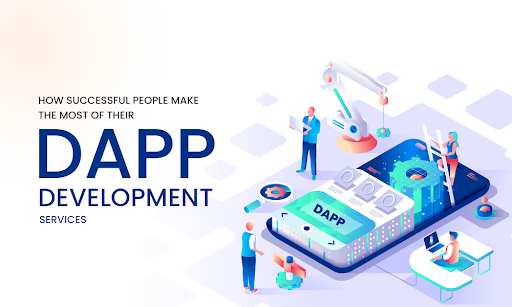
    How Successful People Make the Most of Their dApp Development Services!!

    Introduction:

    Decentralized applications, or dApps, have gained significant popularity in recent years, thanks to the rise of blockchain technology. dApps are built on top of a blockchain network and can offer various advantages over traditional centralized applications, such as increased security, transparency, and immutability.

    However, developing a successful dApp requires more than just technical knowledge. It also requires a deep understanding of the market, user behavior, and business strategy. This is where successful people can make the most of their dApp and mobile app development services.

    In this article, we will explore how successful people make the most of their dApp development services. We will discuss the importance of setting clear goals, working with a skilled team, and leveraging market research to create a dApp that stands out from the crowd. We will also highlight the role of user experience, marketing, and ongoing support in the success of a dApp. By the end of this article, you will have a clear understanding of what it takes to develop a successful dApp.

    Key Characteristics of Successful People:

    Determination and focus

    Strategic thinking and planning

    Creativity and innovation

    Continuous learning and improvement

    Ways Successful People Maximize dApp Development Services:

    Clearly Define Objectives: 

    Successful people start by clearly defining their objectives and goals for the DApp they want to develop. This includes identifying the target audience, defining the features and functionality of the dApp, and setting clear timelines and budgets for the project.

    Conduct Thorough Research: 

    They conduct thorough research to identify the best development team, technology, and tools to achieve their objectives. They also research the market, competition, and user needs to ensure that the dApp they develop is viable, relevant, and user-friendly.

    Build a Strong Team: 

    Successful people assemble a strong team of developers, designers, marketers, and business experts who have the necessary skills and experience to deliver a high-quality dApp. They ensure that the team is well-coordinated, communicates effectively, and works towards a common goal.

    Use Agile Methodologies: 

    They use Agile methodologies to develop and iterate their dApps quickly and efficiently. This involves breaking the development process into smaller, manageable tasks, and regularly testing and reviewing the progress. They also incorporate feedback from users and stakeholders to make continuous improvements.

    Prioritize User Experience: 

    Successful people prioritize user experience and design dApps that are intuitive, easy to use, and visually appealing. They conduct user testing and research to ensure that the dApp meets the needs and expectations of their target audience.

    Leverage Marketing and Promotion: 

    They leverage marketing and promotion strategies to maximize the reach and impact of their dApps. This includes creating a strong brand identity, using social media and other digital marketing channels, and building relationships with influencers and media outlets.

    Stay Up-to-Date with Trends: 

    Finally, successful people stay up-to-date with the latest trends and advancements in dApp development. They attend conferences, read industry blogs, and network with other professionals to stay informed and adapt to changes in the market and technology.

    Case Studies of Successful dApp Development

    Case Studies of Successful dApp Development:

    Features & Benefits:

    Decentralized: dApps are built on decentralized blockchain technology, which means that there is no single point of control or failure. This makes them more secure, transparent, and resistant to censorship and hacking.

    Transparency: dApps are transparent, as all transactions and operations are recorded on a public blockchain ledger, which is accessible to all users. This promotes trust and accountability, as users can verify the authenticity and validity of transactions.

    Security: dApps are more secure than traditional centralized applications, as they use advanced cryptographic algorithms to secure transactions and data. This makes them less vulnerable to fraud, theft, and cyber-attacks.

    No Intermediaries: dApps eliminate the need for intermediaries, such as banks or other financial institutions, as they use smart contracts to execute transactions automatically. This reduces costs, speeds up transactions, and increases efficiency.

    Lower Fees: dApps typically have lower transaction fees than traditional applications, as they eliminate the need for intermediaries. This makes them more accessible and affordable for users.

    Accessibility: dApps are accessible to anyone with an internet connection, regardless of their location or financial status. This makes them more inclusive and can help to promote financial inclusion and economic growth.

    Community-driven: Successful dApps are often community-driven, which means that users can participate in the development, governance, and decision-making processes of the application. This creates a sense of ownership and engagement, which can help to build a strong and loyal user base.

    Best dApp Ideas to Help Your Business

    Best dApp Ideas to Help Your Business

    Decentralized Applications (dApps) offer a wide range of opportunities for businesses to innovate and improve their operations. Here are some dApp ideas that can help your business:

    Supply Chain Management dApp: A supply chain management dApp can help to streamline and optimize the entire supply chain process, from raw materials to finished products. The dApp can track inventory, shipments, and delivery, and provide real-time visibility into the supply chain.

    Decentralized Marketplace: A decentralized marketplace dApp can enable businesses to sell products and services directly to customers without the need for intermediaries or centralized marketplaces. This can reduce costs, increase efficiency, and create new opportunities for businesses and customers.

    Decentralized Finance (DeFi) dApp: A DeFi dApp can enable businesses to access decentralized financial services, such as loans, insurance, and investments, without the need for traditional banks or financial institutions. This can provide businesses with greater financial flexibility and accessibility.

    Tokenized Asset Management: A tokenized asset management dApp can enable businesses to tokenize their assets, such as real estate, artwork, or intellectual property, and trade them on a decentralized platform. This can create new investment opportunities and increase liquidity.

    Digital Identity Verification dApp: A digital identity verification dApp can help businesses to verify the identity of their customers or employees securely and efficiently. This can reduce fraud, increase security, and improve customer experience.

    Decentralized Social Network: A decentralized social network dApp can provide businesses with a new way to engage with their customers and build a community around their brand. This can provide businesses with greater control over their data and content and increase user engagement.

    Energy Trading dApp: An energy trading dApp can enable businesses to trade energy directly with each other, using blockchain technology to securely and transparently track energy production, consumption, and payments.

    Conclusion:

    In conclusion, successful individuals understand the value and potential of Decentralized Application (dApp) Development Services and know how to maximize their benefits. They recognize that dApps can revolutionize industries by increasing transparency, security, and efficiency. To make the most of these services, successful people prioritize research and choose reputable dApp and mobile app development companies with a proven track record. If you want to develop your dApp then approach the leading Blockchain Development Services Company.

    They understand the importance of strategic planning and define clear objectives for their dApps. Moreover, they embrace collaboration and actively involve their development team, fostering open communication and continuous feedback. Successful individuals also stay updated on the latest trends and innovations in the dApp ecosystem, allowing them to adapt and optimize their strategies. Ultimately, their dedication, vision, and ability to leverage dApp development services propel them to success in this rapidly evolving digital landscape.

    dApps offer businesses a wide range of opportunities to innovate and improve their operations. These ideas can help businesses to reduce costs, increase efficiency, improve security, and create new opportunities for growth and innovation.

  • Key Features to Consider During Food Delivery App Development

    Key Features to Consider During Food Delivery App Development

    Food delivery apps have experienced a significant surge in popularity in recent years. They provide convenience, speed, and a wide variety of food options to consumers, catering to their busy lifestyles and changing preferences.

    The food delivery app development  requires careful consideration of key features. These features enhance the user experience, streamline operations, and differentiate the app from competitors. Incorporating these features is crucial for attracting and retaining users, maximizing app usage, and ultimately achieving business success.

    • User-Facing Features Of A Food Delivery App

    User-facing features are crucial as they directly impact the user experience and satisfaction. These features collectively contribute to a user-friendly and engaging experience, encouraging repeat usage and positive word-of-mouth promotion. Here are some of the main features:

    A. User registration and login:

    • Allow users to create accounts using email, social media, or phone number authentication.
    • Implement a smooth and user-friendly registration process with minimal friction.
    • Enable users to securely log in to the app for personalized experiences and order history tracking.

    B. Location-based services and GPS tracking:

    • Integrate location services to automatically detect users’ current location.
    • Implement GPS tracking to provide real-time updates on the status of food delivery.
    • Allow users to manually input their address or save multiple addresses for convenience.

    C. Restaurant and menu browsing:

    • Shows a comprehensive list of restaurants available for ordering the food.
    • Enable users to search, filter, and sort restaurants based on cuisine, ratings, or proximity.
    • Showcase detailed restaurant profiles with menus, pricing, and customer reviews.

    D. Customizable order placement:

    • Offer a user-friendly interface for users to browse menus and customize their orders.
    • Allow users to select specific items, modify ingredients, and add special instructions.
    • Implement options for choosing portion sizes, spice levels, or dietary preferences.

    E. Multiple payment options:

    • Support various payment methods, such as credit/debit cards, digital wallets, or cash on delivery.
    • Ensure secure and seamless payment processing with encryption and fraud protection measures.
    • Consider integrating with popular payment gateways to provide a smooth checkout experience.

    F. Ratings and reviews:

    • Enable users to rate and review restaurants and their food.
    • Display average ratings and individual reviews to help users make informed decisions.
    • Implement a feedback system to gather user opinions and continuously improve the app experience.

    Restaurant-Facing Features Of A Food Delivery App Clone

    Having the restaurant-facing features in the food delivery app clone allows for effective collaboration between the app and the participating restaurants.. These features contribute to a seamless experience for the restaurants, enabling them to provide timely and high-quality service to the customers using the food delivery app.

    A. Restaurant onboarding and profile management:

    • Allow restaurants to register and create profiles on the food delivery app.
    • Provide a streamlined onboarding process to collect necessary information, such as contact details, menu items, business hours, and delivery areas.
    • Enable restaurants to manage their profiles, update menus, add images, and make changes to their availability and delivery options.

    B. Menu and inventory management:

    • Offer a user-friendly interface for restaurants to create and manage their menus.
    • Allow restaurants to add or remove items, update prices, and specify any special instructions or customization options.
    • Provide inventory management features to help restaurants track the availability of items in real-time and mark items as out of stock when necessary.

    C. Order management and notifications:

    • Enable restaurants to receive and manage incoming orders efficiently.
    • Provide a clear overview of all placed orders, including order details, customer information, and delivery instructions.
    • Send real-time notifications to restaurants when new orders are placed or when there are updates or changes to existing orders.

    D. Real-time order status updates:

    • Keep restaurants informed about the status of orders throughout the entire process.
    • Display clear and intuitive order status indicators, such as received, preparing, out for delivery, or delivered.
    • Allow restaurants to update order statuses manually or automatically based on predefined triggers, such as when the order is picked up by the delivery driver.

    E. Integration with POS systems:

    • Facilitate seamless integration between the food delivery app and the restaurant’s Point of Sale (POS) system.
    • Sync order information, inventory updates, and sales data between the app and the restaurant’s existing POS infrastructure.
    • Enable real-time synchronization to ensure accurate and up-to-date information across platforms, reducing the chances of errors and discrepancies.

    Delivery Driver-Facing Features Of A Food Delivery App

    The driver-facing features are crucial for ensuring a smooth and efficient delivery process. These features not only enhance driver efficiency but also contribute to customer satisfaction and retention, ultimately boosting the success of your food delivery app.

    A. Driver registration and verification:

    • Allow delivery drivers to create accounts and undergo a verification process to ensure their authenticity and eligibility.
    • Collect necessary information such as driver’s license, vehicle details, and insurance.

    B. Order acceptance and management:

    • Provide a user-friendly interface for drivers to accept or decline incoming delivery requests.
    • Enable drivers to manage their schedule and availability for accepting orders.

    C. GPS tracking and route optimization:

    • Integrate GPS tracking functionality to allow drivers to navigate efficiently to the pickup and delivery locations.
    • Implement route optimization algorithms to suggest the most optimal and time-saving routes for drivers.

    D. In-app communication with customers:

    • Enable drivers to communicate directly with customers through in-app chat or calling features.
    • Facilitate efficient communication for updates, clarifications, or addressing any issues related to the delivery.

    E. Earnings and performance tracking:

    • Provide a dashboard for drivers to track their earnings, including details of completed deliveries, tips, and incentives.
    • Offer performance metrics such as ratings, customer feedback, and delivery efficiency to help drivers improve their service.


    • Admin Panel Features Of A Food Delivery App

    These features empower administrators to monitor and optimize operations, enhance user satisfaction, and ensure the smooth functioning of the platform.

    A. Dashboard and Analytics: 

    The admin panel serves as the control center for managing the food delivery app. A comprehensive dashboard provides an overview of key metrics, such as order volume, revenue, customer activity, and driver performance. Analytics tools enable administrators to gain valuable insights into user behavior, popular food choices, and delivery trends. This data-driven approach helps in making informed business decisions and optimizing operations.

    B. User and Restaurant Management: 

    The admin panel should include features for managing user accounts and restaurant profiles. It allows administrators to oversee user registrations, verify accounts, and handle any account-related issues. Additionally, the panel facilitates the onboarding of new restaurants by providing a streamlined process for adding and verifying their information, menus, and operating hours. Efficient user and restaurant management contribute to a seamless user experience and a diverse range of food options on the app.

    C. Order Tracking and Analytics: 

    Monitoring and tracking orders is crucial for the smooth functioning of you food delivery app clone. The admin panel should offer real-time updates on order statuses, allowing administrators to monitor the progress of each order from placement to delivery. Analytics related to order fulfillment time, customer satisfaction ratings, and delivery efficiency can help identify areas for improvement and optimize the overall delivery process.

    Conclusion

    When embarking on the journey of developing a feature-rich and user-friendly food delivery app, it is crucial to partner with a reputable mobile app development company in Delhi. With its vibrant tech ecosystem, we offers a plethora of options for finding a reliable development agency that can bring your app idea to life. By choosing the best mobile app development company, you can leverage the expertise and experience of professionals who are well-versed in building innovative and scalable applications. Their in-depth understanding of the local market dynamics and trends can prove invaluable in creating a successful food delivery app that caters to the unique needs of discerning consumers.

  • Why is Web App Development in High Demand?

    Why is Web App Development in High Demand?

    Web apps are sought after across the whole world for a reason. For example, businesses prefer investing in it to ensure faster interaction with customers, quicker collaboration with employees, and effortless information management. On the other side, consumers are willing to tap web applications because of its fast loading time and quick service acquisition. Due to all this, professional web app development is in high demand for some time now. 

    Thus, any business that is highly concerned about improving its customer acquisition process must hire web app developers from the cloud and increase its conversion and revenue. With that covered, now it is time to perceive web apps in detail:

    What is a Web App?

    A web app is a software application that operates on web servers and takes advantage of web technology to carry out myriads of tasks over the internet. Online users often call on web apps when they need to submit or fetch data from the database. Three most popular computer languages that are used for web app development are:

    1. HTML
    2. CSS
    3. JavaScript 

    What’s more? The best web app development company says that you can access your favorite web application using famous browsers, like:

    1. Google Chrome
    2. Internet Explorer
    3. Firefox
    4. Safari 

    What Are Some Important Statistics Related to Web App Development?

    The good news about a progressive web app is that it takes in use enhanced web technologies, which allows it to store important data in users’ devices’ cache memory. Resultantly, its server response time reduces to a great extent and the loading speed improves drastically. A few cases in point here are: 

    1. PWA websites load in 2.75 seconds on average.
    2. PWA pages load 2x to 4x faster than other applications.
    3. Considering average figures, sites using the PWA concept can optimize their speed by 63% compared to their earlier mobile sites.
    4. A site named George.com noticed a 3.8 times improvement in its speed by adopting the PWA approach.
    5. Another site named Housing.com successfully reduced its loading time from 6s to 1.5s using the PWA notion.

    With these stats, you must have understood the significance of progressive web app development company for your business. No? If yes, now let’s move forward with:

    What Are Some Chief Reasons for Extreme Demand for Web App Development?

    The pace at which the popularity of web apps is growing, the demand for customized software development services is upsurging too. Businesses hailing from several industries have already tapped the benefits of PWA technology and are inspiring other entities to do the same. Let’s see some of the most powerful reasons why all agencies must count on web applications now:

    1. Increased Efficiency 

    Many are not aware of this, but the truth is that web apps play a key role in boosting process efficiency and organizational performance big time. Don’t you know how? Then, we must inform you that web apps allow you to automate imperative processes and avoid a massive number of errors by eliminating the piles of paperwork from your desk. Moreover, these cloud-based applications enable wads of establishments to streamline core processes and make it child’s play to manage everything and get more jobs done rapidly. Hence, if you too want to take advantage of these benefits of web apps, you need to hire web app developers now.

    1. Round-the-clock Accessibility 

    Another attractive feature of a web app is that it offers 24*7 availability to all visitors. It means if a potential buyer wants to access certain information about any business or entity, even at midnight, they can do that and take the desired action after their research ends. Business systems powered by web apps are easily accessible all day and all night using famous web browsers out there. What else? The finest web app development organization says if you have a stable internet connection, you can extract the targeted information from a web app using your:

    1. Mobile device
    2. Desktop 
    3. Tablet
    4. User Friendliness

    One of the best things about web apps, according to a leading web app development corporation, is that they are extremely user-friendly. Just to let you know, web applications have been created by experienced software developers once they came across hundreds of problems with native apps and found their relevant solutions. Thus, this entire process of observation has enabled them to come up with a superb user-centric application that is not just easy to use but easy to maintain as well. This way the companies do not need a lot of time to teach their employees about how to design a user-oriented interface. A workshop of a couple of days is all they need to start using the concerned platform effectively. 

    1. Easy Maintenance

    The biggest problem with native mobile apps is that they comprise a multitude of elements that makes it difficult for most software makers to ensure their proper functioning, resulting in a lot of human errors. In addition to that, each native application needs to be updated and maintained without failing, translating into higher expenses for the companies. But the moment they switch to web applications, they will find that these apps are very easy to maintain. It’s because these web-based apps are updated automatically and do not require a seasoned IT professional at the site to process the much-needed updation. Owing to this, if you hire web app developers remotely, they can handle your web app’s maintenance needs without visiting your office.  

    1. Optimal Performance 

    It is necessary to have the right resources at your employees’ disposal if you are expecting them to yield exceptional results. Because if they continue working with native software, they will keep facing a considerable number of problems, leading to a sharp reduction in your company’s output. However, there is a proven method to improve their performance, i.e., by exploiting web applications. Yes, by using such computer programs, your personnel can meet your organizational targets much faster since your prospective web app will be much more efficient than your current software and also specifically built for your business needs. So, if you want to fabricate such a customized web app now, all you need to do is hire web app developers working in the IT industry for a long time.  

    The takeaway

    Finally, if you liked this content and want to get a bespoke web app now, please speak to a top-notch web app development agency. Besides, for the app development process, you can think of outsourcing to a reputed mobile app development company in Delhi.

  • How to develop a trip planner mobile application?

    How to develop a trip planner mobile application?

    Introduction

    In this year, 2023, the revenue for the travel and tourism industry is predicted to clock US$854.80 billion. Another important figure that is published by Statista is that 74% of the total revenue will be generated through online sales. Are you also looking to establish your foothold in the travel industry? In this blog, we are going to learn the step-by-step process of building an application for traveling, along with some histories of tourism, so that the future can be predicted based on statistical figures.

    Brief history

    Tourism was never a luxury before the 17th century. It was rather considered dangerous, given that there were no safer routes and resorts than we have nowadays. The first such trip was carried out in the name of a Grand Tour across Europe that covered Italy, Greece, Germany, and France, specifically for historical and cultural learning. 

    The post-mid eighteenth century saw the phase of the industrial revolution, which led to the development of new cities and urban planning. Subsequently, new mediums of transportation and routes came into being. Finally, in the late 19th century, Thomas Cook founded the first tourism industry. The first journey was between Leicester and Loughborough through the rail network. 

    Since then, each passing decade has brought with it new technologies and inventions that have further led to the development of the tourism industry. For example, globalization and internationalization paved the way for hotel development, along with transportation and food restaurants. As of now, in 2023, the travel industry is a great giant and engine for any economic growth.

    How to build a custom travel app? 

    Before jumping into the application development process, you will have to go through a few of the steps, in order to make the further development easy. 

    1. In depth research of the target audience – The interface of the system is determined by the users you intend to attract with the application. The tourist business, for instance, can’t appeal to today’s students with a vintage aesthetic. The user interface (UI) will also alter if the app is intended for religious pilgrims.
    2. Selection of the best vendor – Your chances of success in creating a mobile app are also influenced by the company you choose to work with to get started. If you work with someone who isn’t well-versed in app development, or who isn’t even in the industry at all, it might have a detrimental impact on your business. Therefore, it is essential to perform your homework and verify the portfolios of mobile app development companies and historical statistics to ensure the partnership would be beneficial.
    3. Hosting selection -Travel and tourism generate a lot of  traffic. And it’s critical to have a highly-developed and reliable server in order to handle such a large volume of users. In the United States, the average amount of time before a visitor leaves the page is just three seconds. There is a good probability that the user may abandon your application in favor of one that loads more quickly.

    Technologies used to build the travel apps

    The platforms used for developing the travel apps for iOS are Objective-C and Swift. On the other hand, engineers use Kotlin and Java 7 for building the same applications for android. 

    Salient features of a successful travel app

    • Profile creation 

    If the user profile is created on any application, it provides a personalized view, and the data can also be saved to visit the portal again seamlessly. It also makes the payment gateways easily accessible. 

    • Search bar and filters

    The overall experience of any user on the application will be enhanced if he is provided with some important filters, such as; prices, journey dates, location, hotel tiers, etc. Given that the amount of information available on the application is too much, the filters and the search bar would enable the user to finalize his destination earlier. 

    • Chatbox

    Chatboxes are the new norm for any application. Likewise, in the tourism industry as well, people would like to get in touch with the hotel management, for example, or perhaps the transport manager, in order to find useful information prior to the trip. 

    • Review system

    Humans trust their fellow beings when it comes to reading reviews online. According to a statistic, “49% of consumers trust online reviews as much as personal recommendations.” Reviews on the travel app would help the users select their destination easily and accurately. 

    • Notification

    Notification is another feature that is highly recommended while developing any application. According to a report, an average person has 40 applications installed on his smartphone. It is, therefore, psychologically impossible for him to check the applications again and again. Hence, notification pop-ups make it easier for users to use any app. Also, there are coupons, discounts, and price changes that can be used to lure the user into any trip. 

    • Miscellaneous integrations

    A user might expect the application to provide weather forecasting for his destination. Also, because international trips are very much in demand, especially in Europe; it is quite essential for travelers to get an idea of currency conversion rates. Second, they might also demand language translations.

    Cost of development

    The features that clients request determine the cost of developing the travel application. Also, the areas and niches that are covered through the application will also be factors in finalizing the cost. Some applications are developed for a particular country, while others are for specific communities, such as students, pilgrims, the elderly, etc. Considering the range of choices, the mobile application development cost will span between $60,000 and $300,000 USD. For a better understanding of the costing you can talk directly with us. For 15 years, we have been rated as the top mobile app development company in Ahmedabad.

    Conclusion

    Do you own a travel agency? Or planning to build one? Before it’s too late to gear up for digitalization, speed up for digitalization. Get in touch with us now. We are a renowned mobile app development company in Delhi. We are committed to providing you a highly responsive, attractive, and optimized mobile application for your travel agency. Leave an impression that can never be erased.

  • Enlighten Your Applications: Illuminating Java Development Services by a Leading Company

    Enlighten Your Applications: Illuminating Java Development Services by a Leading Company

    In today’s digital landscape, where firms rely heavily on software applications to streamline operations and engage customers, having robust and efficient software solutions is paramount. Java, as a versatile and powerful computer programming language, has been a driving force behind many accomplished applications and systems. 

    In this blog, we will explore the role of a Java development services company in igniting applications and lighting the way toward innovation and success.

    Expertise And Experience:

    A Java development services company brings together a team of highly skilled and experienced professionals who possess in-depth knowledge of Java and its ecosystem. These experts have a deep understanding of Java’s core concepts, libraries, frameworks, and best practices, permitting them to deliver high-quality solutions tailored to the unique requirements of each client. 

    With their expertise, they navigate the complexities of Java development, ensuring the development of robust, scalable, and efficient applications.

    Comprehensive Solutions:

    Java development services companies offer comprehensive solutions that cover the entire software development lifecycle. 

    From requirement analysis and design to development, testing, and maintenance, these companies provide end-to-end services that address all aspects of application development. They follow industry-standard methodologies and best practices, ensuring the delivery of reliable and high-performance applications that meet client expectations.

    Customized Development:

    Every firm has unique requirements and challenges that demand tailor-made solutions. Java development services companies understand this and excel at providing customized development services. They collaborate closely with clients to comprehend their specific needs, goals, and constraints. 

    By leveraging Java’s flexibility and a vast array of libraries and frameworks, they construct highly scalable, modular, and maintainable applications that align perfectly with client requirements.

    Cutting-Edge Technologies:

    Java development services companies stay up-to-date with the latest advancements and trends in the Java ecosystem. They are well-versed in utilizing cutting-edge technologies and frameworks, including Hibernate, Spring, JavaFX, and Apache Kafka, among others, to build modern and innovative applications. 

    By harnessing the power of these technologies, they enable firms to stay competitive in today’s fast-paced digital landscape.

    Performance Optimization And Scalability:

    Performance and scalability are critical factors in ensuring the success of any application. 

    Java development services companies possess the expertise to optimize application performance, leveraging various techniques such as code profiling, caching, and efficient resource utilization. They also design applications with scalability in mind, ensuring that systems can handle increasing workloads and user demands without compromising performance.

    Ongoing Support And Maintenance:

    The journey of application development does not end with deployment. Java development services companies provide ongoing support and maintenance services to ensure the smooth functioning of applications over time. They proactively monitor applications, perform bug fixes, apply security updates, and provide continuous improvements to enhance application performance and reliability.

    Building a Java application is just the beginning of a software journey. To ensure the longevity and success of your application, it is crucial to have ongoing support and maintenance. This process involves continuously monitoring, updating, and optimizing your application to keep it running smoothly, securely, and aligned with evolving business needs.

    Monitoring And Issue Resolution:

    Ongoing support and maintenance include the monitoring of your Java application to identify and resolve any issues that may arise. Monitoring involves regularly checking the application’s performance, availability, and resource utilization to ensure optimal operation.

    If any performance bottlenecks or security vulnerabilities are detected, the support team takes immediate action to investigate, diagnose, and resolve these issues. This proactive approach helps to prevent potential disruptions and maintain a seamless user experience.

    Bug Fixes And Patch Management:

    Even well-tested applications can have occasional bugs or encounter compatibility issues with new software updates. Ongoing support and maintenance involve addressing these bugs and applying the necessary patches.

    The support team collaborates with Java developers to detect and fix any software defects, ensuring the stability and reliability of the application. They also keep track of software updates and security patches, applying them promptly to address any vulnerabilities and keep the application secure.

    Performance Optimization:

    Over time, as user demands and data volumes increase, your Java application may experience performance degradation.

    Ongoing support and maintenance involve analyzing and optimizing the application’s performance. The support team conducts performance audits, detects bottlenecks, and applies optimizations such as database tuning, code refactoring, and caching mechanisms. These efforts ensure that the application continues to deliver high performance and responsiveness, even as the workload grows.

    Scalability And Capacity Planning:

    As your firm grows, your application needs to handle an increasing number of users, transactions, and data. Ongoing support and maintenance involve evaluating the application’s scalability and capacity to meet these growing demands.

    The support team works closely with the development team to assess resource utilization, plan for scalability, and make necessary infrastructure adjustments. This proactive approach ensures that your application can accommodate increased workloads without compromising performance or the user experience.

    Security Updates And Compliance:

    Security is a critical aspect of ongoing support and maintenance. The support team keeps a close eye on emerging security threats and vulnerabilities. They apply security updates, patches, and configuration changes to protect your Java application from potential cyber threats.

    Additionally, they ensure compliance with industry standards and regulations, such as data protection and privacy requirements. By actively managing security, your application remains robust and resilient against potential security breaches.

    Continuous Improvements And Enhancements:

    Technology evolves rapidly, and business requirements change over time. Ongoing support and maintenance involve continuous improvements and enhancements to keep your application aligned with evolving needs.

    The support team collaborates with stakeholders to gather feedback, prioritize feature requests, and plan for future enhancements. By implementing these improvements, your Java application remains competitive, innovative, and capable of meeting the changing demands of your users and industry.

    Conclusion:

    A java application development services company plays a crucial role in igniting applications and guiding firms toward success.

    With their expertise, comprehensive solutions, customized development, utilization of cutting-edge technologies, and focus on performance optimization and scalability, these companies empower businesses to harness the full potential of Java for their software applications.

    By partnering with a Java development services company, businesses can light the way to innovation, efficiency, and growth, ensuring their applications shine in today’s competitive digital landscape.

  • What are some AI applications in wealth management and robo-advisory services?

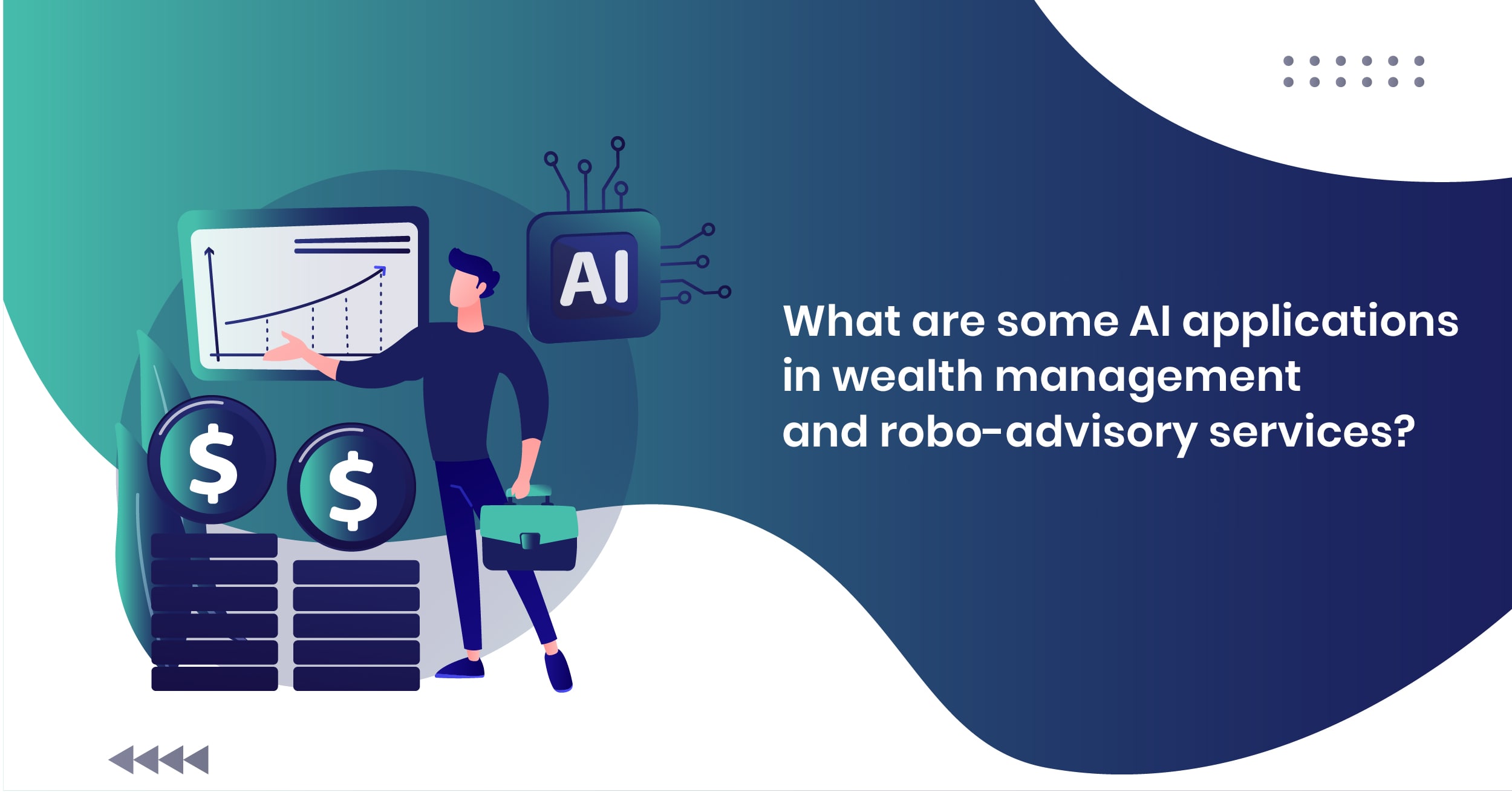
    What are some AI applications in wealth management and robo-advisory services?

    Man-made intelligence with its capability to increase the abundance of supervisors’ capacities, can assist with making all the difference. This is the way it decidedly influences six significant aspects across Abundance The executives:

    1. Client experience: man-made intelligence works with improved, expanded reality (AR/VR/MR) based self-administration modules for problem-free admittance to account for subtleties and related data. Robo-advisory services Computer-based intelligence-imbued arrangements not just give a predominant client experience through hyper-personalization yet in addition further develop security, and diminish manual mediations and related blunders.
    2. Business enablement: simulated intelligence works with keen client commitment and the executives in the present profoundly complex speculation climate. For example, it proposes numerous speculation answers for high total assets for individual clients with precision, speed, and productivity all while limiting dangers.
    3. Computerization and cycle re-designing: Carrying out mental figuring applications, AI, and computer-based intelligence in banking empowers expanded robotization and diminished manual mediation in financial cycles. Robo counselors can assist with reducing the expense of warning administrations to contact a more extensive crowd.
    4. Investigation: simulated intelligence-based prescient and prescriptive examination presents proactive and exact suggestions, empowers quicker independent direction, and further develops administration. Man-made intelligence-based examination arrangements work with designs in unstructured and organized information to foresee and suggest the following best game plan.
    5. Tasks: computer-based intelligence gives the frameworks and apparatuses expected to robotize and streamline processes, empowering associations to accomplish zero-contact activities. It additionally opens up human counselors’ opportunity to zero in on esteem-adding cycles and settles raised questions.
    6. Consistence and administration: artificial intelligence fortifies private banks’ information and the board’s capacities against developing weaknesses and empowers occasional examination of monetary information and books of records, guaranteeing predominant consistency. mobile app development company in Delhi Simulated intelligence-based prescient frameworks can likewise foresee monetary gambles and recognize fake/surprising exchanges to further develop misrepresentation identification and proactive administration.

    Diminish functional expenses and smooth out activities by making administrative consistence more effective.

    • Incorporate information from any framework and convey continuous bits of knowledge.
    • Accomplish better bits of knowledge into client inclinations to make exceptionally custom-fitted offers.
    • Give examination devices and connect with reports, available through powerful web and versatile entries.
    • Engage clients with simple self-administration admittance to their records, on any gadget.
    • How Abundance Chiefs Can Speed up Computer-based Intelligence
    • For Abundance Administrators that are disappointed and need to get up to speed, the accompanying five rules can assist with speeding up the advantages.

    Pick artificial intelligence that accomplishes its information work: 

    man-made intelligence runs on information: exceptional, in scope, normalized, checked, and open. The right computer-based intelligence arrangement suppliers will assist with building an establishment with devices to ingest, accommodate, conform, and normalize information from different sources progressively.

    • Workout capacities: Some underlying computer-based intelligence arrangements might be attachment and play, however as your answers advance, you’ll have to upskill your labor force. You’ll likewise have to construct a culture and a design that can exploit more prominent mechanization and immediately follow up on continuous, information-driven bits of knowledge.
    • Begin little and safe: ManyAI counseling firms give reduced down arrangements and speedy returns on initial capital investment. The best additionally have administration, security, consistency, and morals worked in. Assuming you pick the right artificial intelligence apparatus, you can see speedy successes while thoroughly controlling your dangers.
    • Watch the predisposition: artificial intelligence that pursues choices that are methodically uncalled for to specific gatherings and can hurt in numerous ways, going from brand notoriety to enlistment to venture choices. Make certain to consider arrangements that can alleviate predispositions in simulated intelligence calculations.
    • Get set to scale: Pick arrangements that might begin in one spot, yet can tackle different issues too once their value is demonstrated. Investing energy and assets in working out an answer is in many cases simply the underlying venture; you might possibly fundamentally build your return for money invested in the event that you, scale it. At the point when all around planned, numerous computer-based intelligence arrangements will likewise cover and improve one another.
    • Simulated intelligence: The Following Boondocks in Abundance The executives

    As the abundance of executives and monetary administrations industry changes, so do the necessities of its clients. Abundance directors are tested to change their organizations to draw in and hold clients and make new items and administrations. Clients are requesting more customized administrations, and they hope to deal with their resources from any place by means of the web and portable channels.

    With the rising chatbot’s reception, the innovation is opening up new roads for the monetary administration area. Abundance-the-board chatbots, controlled by conversational Man-made reasoning (computer-based intelligence) and proficient AI (ML) calculations, can be valuable instruments that influence the eventual fate of abundance the executive’s organizations.

    Ongoing years have seen the utilization of chatbots for a large number of uses, including client care and deals. AI Applications services This reception has grabbed the eye of the monetary administration industry and many organizations have begun exploring different avenues regarding how chatbots can ease an abundance of board difficulties. With top man-made intelligence improvement organizations like Scramble Innovations, it is more straightforward now to embrace chatbots for an abundance of executives. Our Brilliant Abilities give prepared execution layouts to our clients and expand and develop your abundance the executive administrations. Peruse our contextual investigation on how we assisted the main speculation with banking by carrying out man-made intelligence. Reach us to know more!

    In any case, what are robo-counselors?

    Overall robo-counselors or computerized monetary exhortation (and improvement) devices are advanced/portable resources in the board and monetary guidance stages that take a gander at a pretty much-chosen assortment of monetary resources and exercises or potentially (individual budgets.

    They normally join a scope of monetary devices to, among others, deal with your riches, upgrade your speculations and that’s just the beginning. They have a dashboard capability for (part of) your monetary portfolio with the extra and fundamental part of man-made brainpower, promising to consequently offer you guidance to oversee and work on your portfolio or interests in a pretty much-robotized way. The on-the-web and versatile administrations which sprung up in 2014 do as such with no or at any rate near zero human mediation, controlled by simulated intelligence calculations. We are seeing a few developments in, among others, this human aspect.

    At the point when we say man-made consciousness we’re clearly likewise discussing Enormous Information. Considering every one of the boundaries and information engaged with monetary exercises, from charge guidance to EFT speculations and by and large monetary portfolio information, the capacity to use this information and follow up on it, utilizing computer-based intelligence calculations is basic.

    Robo-consultant industry estimates

    Back to the enormous assumptions about robo-counsels. In the Late spring of 2015, A.T. Kearney determined that robo-counsels will have $2.2 trillion USD worth of resources under their administration by the end of 2020 in the U.S.

    Author Bio :

    Glad you reading this. I’m Yokesh Shankar, the COO at Sparkout Tech, one of the primary founders of a highly creative space. I’m more associated with digital transformation solutions for global issues. Nurturing in Fintech, Supply chain, AR VR solutions, Real estate, and other sectors vitalizing new-age technology, I see this space as a forum to share and seek information. Writing and reading give me more clarity about what I need.

  • How Mobile App Development Companies in UAE Drive Customer Engagement

    How Mobile App Development Companies in UAE Drive Customer Engagement

    In the current era of digital advancements, mobile applications have emerged as a vital instrument for businesses to amplify customer engagement. With the rapid growth of smartphone usage, businesses in the UAE are increasingly investing in mobile application development to connect with their customers in a more personalized and convenient manner. This article delves into the significance of mobile app development companies operating in the UAE and how they contribute to increasing customer engagement. Additionally, we will highlight the best mobile app development company in Dubai that businesses can consider for their app development needs.

    The Growing Importance of Mobile Apps in UAE

    • In recent years, the United Arab Emirates (UAE) has witnessed a significant increase in smartphone penetration and mobile app usage. This trend has reshaped the way businesses operate and engage with their customers. Take a closer look at the increasing significance of mobile applications in the UAE:
    • Increasing Smartphone Penetration: The UAE boasts one of the highest smartphone penetration rates globally, with a large percentage of the population owning and actively using smartphones. This widespread adoption of mobile devices has created a fertile ground for businesses to connect with their target audience through mobile apps.
    • Mobile App Usage: Mobile apps have become an integral part of people’s daily lives in the UAE. From shopping and banking to transportation and entertainment, mobile apps provide convenient solutions for a wide range of needs. The UAE population relies heavily on mobile apps for tasks such as online shopping, food delivery, ride-hailing, and accessing various services.
    • Improved Customer Access: Mobile apps offer businesses the opportunity to have a direct and constant presence on their customers’ smartphones. By having an app, companies can provide instant access to their products or services, enabling customers to engage with their brand at any time, from anywhere.
    • Personalized Experiences: Mobile apps allow businesses to deliver personalized experiences to their customers. By leveraging user data and preferences, apps can offer tailored recommendations, personalized offers, and customized content. By incorporating this level of customization, customer engagement, satisfaction, and loyalty are significantly enhanced.
    • Enhanced Brand Visibility: Having a mobile app can significantly enhance a business’s brand visibility. Apps are prominently displayed on a user’s device, serving as a constant reminder of the brand. Furthermore, businesses can utilize push notifications and in-app promotions to actively engage with users and keep their brand at the forefront of customers’ minds.

    Mobile App Development in UAE

    • The significance of professional mobile app development companies in the UAE cannot be overstated. These companies play a crucial role in helping businesses bring their app ideas to life and maximize their potential. Here’s why working with a reputable app development company is essential:
    • Expertise and Technical Capabilities: Professional app development companies in the UAE possess the expertise and technical know-how required to create robust and feature-rich mobile applications. They have a deep understanding of the latest mobile technologies, frameworks, and development practices, ensuring the delivery of high-quality and cutting-edge apps.
    • Cultural Understanding and Market Knowledge: Local app development companies have a strong grasp of the local culture and business environment in the UAE. This understanding allows them to create apps that resonate with the target audience and cater to their specific needs. Additionally, these companies possess valuable market knowledge, enabling them to provide insights and guidance on app features and functionalities that align with local trends and preferences.
    • Timely Support and Maintenance: Working with a local app development company ensures timely support and maintenance services. Proximity facilitates effective communication, enabling businesses to receive prompt assistance, updates, and bug fixes as needed. This ensures that the app remains up-to-date, secure, and performs optimally, providing a seamless user experience.

    Essential Factors to Keep in Mind When Selecting a Mobile App Development Company

    • When selecting a mobile app development company in the UAE, several essential criteria should be considered. These factors help businesses make informed decisions and choose the right development partner. Here are key factors to consider:
    • Experience: Evaluate the company’s experience in the app development industry. Look for a track record of successfully delivering projects and working with businesses in various sectors.
    • Portfolio: Review the company’s portfolio to assess the quality and diversity of their previous work. This provides insights into their design capabilities, technical expertise, and innovation.
    • Expertise in Different Platforms: Ensure that the app development company has expertise in developing apps for different platforms, such as iOS and Android
    • Industry-Specific Knowledge: Consider whether the app development company has experience working in your industry or with businesses similar to yours. This industry-specific knowledge can bring valuable insights and understanding of your target audience’s needs and preferences.
    • Client Testimonials and References: Look for client testimonials or references to gauge the satisfaction level of past clients. This feedback can provide valuable insights into the company’s professionalism, communication, and ability to deliver on time and within budget.
    • Collaborative Approach: Assess the company’s approach to collaboration and communication. A good app development company should prioritize clear and open communication, involving you in the development process and keeping you updated on progress.
    • Maintenance and Support: Inquire about the company’s post-launch support and maintenance services. It’s crucial to ensure that the company offers ongoing support, bug fixes, updates, and security enhancements to keep your app functioning smoothly.
    • Cost and Budget: While cost should not be the sole determining factor, it’s important to consider your budget and compare it with the pricing and value provided by different app development companies. Seek out a company that provides competitive pricing while upholding uncompromising quality.

    By considering these key factors, businesses can make an informed decision when selecting a mobile app development company in the UAE. Partnering with the right company will ensure a smooth and successful app development process, leading to a high-quality, user-friendly app that meets your business goals and exceeds customer expectations.

    Here are some interesting statistics related to mobile apps and customer engagement that you can include in the article:

    Mobile App Usage and Penetration:

    • In the UAE, the number of smartphone users is projected to reach 9.52 million by 2025, accounting for approximately 85% of the population. (Source: Statista)
    • On average, smartphone users in the UAE spend 3 hours and 17 minutes per day on mobile internet activities. (Source: Statista)

    Benefits of Mobile Apps for Businesses:

    • Mobile apps have shown to increase customer engagement by up to 61% compared to traditional channels. (Source: Localytics)
    • 90% of consumers find push notifications from mobile apps useful, leading to higher engagement rates. (Source: Leanplum)
    • Businesses that provide personalized app experiences see an average revenue increase of 6-10%. (Source: Infosys)

    Impact of Mobile Apps on Customer Engagement:

    • Companies with mobile apps have witnessed a 20% increase in customer retention rates. (Source: CleverTap)
    • Mobile apps generate up to 3 times higher conversion rates compared to mobile websites. (Source: Smart Insights)
    • Approximately 68% of consumers are willing to engage with a brand’s mobile app for a reward or incentive. (Source: SessionM)

    Role of Push Notifications and Real-time Updates:

    • Users who enable push notifications on their mobile apps have a 88% higher retention rate compared to those who opt out. (Source: Localytics)
    • Time-sensitive push notifications have a 7 times higher open rate compared to non-time-sensitive ones. (Source: Appboy)
    • Apps that send push notifications see a 26% increase in user retention within the first 12 weeks. (Source: Localytics)

    Gamification and Incentives in Mobile Apps:

    • Gamified mobile apps achieve a 63% higher engagement rate compared to non-gamified apps. (Source: eMarketer)
    • Loyalty programs integrated into mobile apps can increase customer spend by 20-40%. (Source: Bain & Company)
    • Mobile apps with rewards or loyalty programs have a 20% higher retention rate than those without. (Source: Appiterate)

    These statistics provide valuable insights into the impact of mobile apps on customer engagement and can help support your points throughout the article. Remember to cite the sources appropriately when including these statistics.

    Mobile apps have emerged as a powerful tool for businesses in the UAE to increase customer engagement. With the help of professional mobile app development companies, businesses can create personalized experiences, improve accessibility, and provide timely updates to their customers. By leveraging the benefits of mobile apps, companies can drive customer engagement, foster loyalty, and ultimately achieve business growth. When considering mobile app development in Delhi, businesses should carefully choose the best mobile app development company that algns with their requirements and has a proven track record of delivering successful applications.

  • From Concept to Reality: Software Engineering Services

    From Concept to Reality: Software Engineering Services

    Software engineering is an engineering discipline that systematically applies scientific and engineering principles, methods, and tools to develop, operate, and maintain software systems. It encompasses the design, development, testing, deployment, and maintenance of software products or applications. Software engineers analyze user requirements, design software solutions, write code using programming languages, and utilize various software development methodologies and tools to ensure the software’s quality, reliability, and efficiency. They collaborate with teams, follow software development lifecycle processes, and adhere to industry best practices to deliver high-quality software that meets user needs.

    Software Engineering and mobile app development company provides end-to-end professional software engineering services to ensure that the software products meet the client’s needs and requirements. A wide range of services are encapsulated in software engineering services like software requirement gathering, software research and development, software documentation, software development, software testing and quality assurance, and software maintenance services.

    In today’s technology-driven world, software has become the backbone of businesses across various industries. Software plays a crucial role in enabling smooth operations, fostering innovation, and providing outstanding user experiences for both small startups and large enterprises. However, transforming a software concept into a tangible reality is a complex undertaking that demands a holistic approach and a deep understanding of software engineering services.

    The Role of Software Engineering Services

    Software engineering services encompass a range of activities and processes involved in developing, deploying, and maintaining software systems. These services are designed to bridge the gap between a software concept and its successful implementation. Let’s explore the key aspects of software engineering services that contribute to transforming concepts into reality.

    Requirements Gathering and Analysis

    The journey from concept to reality begins with a thorough understanding of the software requirements. Software engineering services involve working closely with clients to gather and analyze their needs, goals, and objectives. This process helps define the project’s scope and lays the foundation for successful software development.

    Design and Architecture

    Once the requirements are understood, software engineering services focus on designing the software system. This involves creating a comprehensive architectural blueprint outlining the software’s structure, components, and interactions. The design phase ensures the software meets the desired functionality, scalability, and performance requirements.

    Development and Implementation

    With the design, software engineering services move on to the development and implementation phase. Skilled software engineers and developers leverage programming languages, frameworks, and tools to translate the design into actual code. This process involves rigorous testing, debugging, and quality assurance to ensure the software performs as intended.

    Integration and Deployment

    Software systems rarely exist in isolation and must often interact with other applications, databases, or hardware components. Software engineering services facilitate seamless software integration with existing systems or third-party services. Once the integration is complete, the software is deployed to the desired environment, whether on-premises, in the cloud, or a hybrid setup.

    Maintenance and Support

    The journey doesn’t end with deployment. Software engineering services also encompass ongoing maintenance and support. This includes monitoring the software’s performance, identifying and fixing bugs or issues, and implementing updates or enhancements based on user feedback. Regular maintenance ensures that the software remains reliable, secure, and up-to-date.

    Benefits of Software Engineering Services

    Partnering with software engineering services offers several benefits to businesses:

    • Expertise and Experience: Software engineering services offer a vast reservoir of knowledge and specialized skills. Their teams consist of skilled professionals with extensive experience developing software across various industries and domains.
    • Faster Time to Market: By leveraging established development processes and frameworks, software engineering services can accelerate the development lifecycle. This enables businesses to bring their concepts to market faster and gain a competitive edge.
    • Quality and Reliability: With a focus on best practices, rigorous testing, and quality assurance, software engineering services ensure that the delivered software is of high quality and reliability. This helps businesses avoid costly rework or customer dissatisfaction.
    • Scalability and Flexibility: Software engineering services design software systems with scalability and flexibility in mind. This empowers businesses to adjust and expand their software to meet changing requirements, whether it’s scaling to handle growing user demands or incorporating additional features seamlessly.
    • Cost Efficiency: Outsourcing software engineering services can be cost-effective for businesses. It eliminates the need for extensive in-house teams and infrastructure, reducing overhead costs while accessing specialized skills on demand.

    Conclusion

    Software engineering services play a vital role in transforming software concepts into reality. Starting from the initial requirement gathering phase to the design, development, integration, and continuous maintenance stages, these services guarantee that software systems align with the demands and desires of businesses and their users. By leveraging the expertise and experience of software engineering services, businesses can turn their software concepts into successful and impactful solutions that drive growth and innovation.

    If we select the right partner or company for software engineering and mobile app services, then the software will always function properly. We must check several factors like the experience of the company, expertise in the technology used in the creation of software, and flexibility in the adoption of the new and latest technology.

  • Unlock the Power of Hybrid App Development: A Guide to the Best Frameworks

    Unlock the Power of Hybrid App Development: A Guide to the Best Frameworks

    Applications designed for use on mobile devices are increasingly vital in today’s fast-paced digital environment. Companies and programmers always seek better methods to create high-performing, feature-rich applications compatible with various devices and operating systems.

    The advantages of native and web app development have led to the rise of hybrid app development as a viable option. Explore the benefits of hybrid app development and get an overview of the top frameworks in this in-depth tutorial.

    To assist you in making an educated selection when beginning your venture into mixed app development, we will analyze the leading frameworks in terms of popularity, performance, and community support.

    What is Hybrid App Development?

    Developing mobile apps that integrate native and web-based techniques is called hybrid app development. Hybrid applications employ web technologies like HTML5, CSS, and JavaScript instead of the platform-specific languages used to develop native apps, such as Swift (for iOS) or Java/Kotlin (for Android).

    To connect the app’s codebase with the native components of the underlying platform, hybrid applications are developed using frameworks that use a web view as an intermediary. Because of this, programmers only need to create their software once before sharing it across numerous platforms.

    Advantages of Hybrid App Development

    There are several benefits for organizations and developers to adopt a hybrid app strategy:

    • Cross-platform compatibility: 

    Hybrid applications are cost-effective to create since they may function on both iOS and Android. By supporting many platforms, an expert mobile app development company in Delhi may increase the number of people who can use their apps.

    • Code reusability: 

    Developers may recycle a large chunk of their codebase using a hybrid app framework. As a result, rather than having to create native applications for each device, programmers need to create them once and then distribute them everywhere.

    • Cost-effectiveness: 

    Hybrid app development is more cost-effective than traditional because of code reusability and platform portability. Creating a single hybrid app may be more cost-effective than several native ones.

    • Faster development cycles: 

    Creating a new app may be sped up with the help of the development tools and libraries provided by hybrid app frameworks. If the development process can be sped up and the software is uniform, the time it takes to make and release an app could be cut in half.

    • More accessible app updates: 

    Hybrid applications can be updated automatically without users having to do anything special to get the latest version. As a result, developers may more quickly provide updates that address bugs, improve functionality, or strengthen security.

    Popular Hybrid App Development Frameworks

    Several frameworks have emerged as frontrunners in the hybrid app development space thanks to their feature sets, community backing, and overall effectiveness. 

    Let’s have a look at some of the top frontend frameworks for creating hybrid apps:

    • Apache Cordova/PhoneGap: 

    The Apache Cordova framework, previously known as PhoneGap, is a popular choice for creating hybrid apps. In addition to facilitating the creation of applications using HTML, CSS, and JavaScript, it also serves as a gateway to using the device’s native functionality through plugins. 

    Using Cordova, programmers can build applications that are compatible with a wide variety of operating systems. Because of its extensive community support and library of add-ons, it can be tailored to meet the needs of any business.

    • React Native: 

    A popular framework, React Native was created by Facebook and combined features of hybrid and native app development. Using JavaScript and the web development framework React, mobile apps may be made for various platforms 

    With React Native app development for one platform, test it, and then distribute it to other devices while maintaining a native-like user experience—applications built using this framework dash because they use native components. Regarding creating reliable hybrid applications, React Native is an excellent option because of its vast community and extensive ecosystem of libraries and tools.

    • Flutter: 

    Flutter is a sophisticated hybrid app development framework created by Google that enables programmers to complete high-performance applications with a native-like user experience. Flutter app development uses the cutting-edge programming language, Dart, providing various user-configurable UI components. 

    It allows programmers to write once and deploy to several platforms. Faster development cycles are possible with Flutter because of its quick reload functionality, and its rich widget library aids in creating aesthetically attractive applications. 

    • Ionic: 

    Ionic is an open framework for creating hybrid mobile applications using web technologies, including HTML, CSS, and JavaScript. It uses the Angular framework, a well-liked JavaScript library, to construct reliable, scalable apps. 

    Apps developed using Ionic’s collection of premade UI components and themes are both beautiful and responsive. It works on several different systems, including iOS, Android, and the web, and provides various plugins for using each platform’s inherent capabilities. Developers just starting with hybrid app development often choose Ionic because of its friendliness, copious documentation, and lively community.

    • Xamarin: 

    Microsoft’s Xamarin is a framework for creating cross-platform applications that feel just as natural as their native iOS, Android, and Windows counterparts. With Xamarin, developers need to create code once to have it run on all supported platforms. 

    The platform’s native APIs and capabilities allow for faster and more reliable app performance. Because of its robust development environment and seamless integration with primary development tools, Xamarin is a favorite among businesses and developers with experience in C# and the.NET ecosystem.

    Comparison of Hybrid App Development Frameworks

    Performance, native component availability, community and ecosystem support, development time, and budget are all critical aspects to consider when settling on a hybrid app development framework. The best frameworks will be compared in the following ways:

    • Performance: 

    Facilitating a quick and easy interaction with a product relies heavily on its performance. Compared to other frameworks, Flutter shines because of its high-performance rendering engine, allowing faster UI rendering and animations. 

    Similarly, React Native provides excellent performance using native components, but Apache Cordova and Ionic may have speed constraints because of their dependency on web views. As it converts the app’s code into native binaries, Xamarin can deliver native performance.

    • Native Components: 

    Accessing native components and functionality is crucial when developing robust programs. Developers can use the full potential of the underlying platforms thanks to the excellent access to native APIs and features provided by React Native, Flutter, and Xamarin.

    While Apache Cordova and Ionic provide rich plugin libraries to facilitate access to native functionality, certain more complicated native functions may need in-house development.

    • Community and Ecosystem: 

    The extent to which a framework is supported, has access to resources, and has third-party libraries available all depend on the size and activity of its community. The community around React Native is vast and active, making discovering answers to questions and valuable materials simple. 

    The Flutter community is expanding quickly, and it has the support of Google. Even though their user bases aren’t as massive as React Native’s, the communities behind Apache Cordova, Ionic, and Xamarin nonetheless provide valuable tools and plugins.

    • Development Speed and Cost: 

    Frameworks with shorter development cycles save time and money in the long run. With Flutter’s quick reload, developers can see their work immediately, allowing for more rapid iteration. 

    Compared to Apache Cordova, Ionic, and Xamarin, which all need app reloading after code changes, React Native’s quick reloading features are a welcome time saver. All the frameworks we’ve spoken about are free and open-source, but the skills needed to create them may cause development costs to range.

    Factors to Consider when Choosing a Hybrid App Development Framework

    Selecting a hybrid app development framework that fits your project’s needs and limits requires careful consideration of several aspects. Here are the most crucial reviews:

    • App Complexity and Performance Requirements: 

    Think carefully about the performance demands of your software and its complexity. Frameworks like Apache Cordova and Ionic might be appropriate if you only make an essential app. 

    Frameworks like React Native, Flutter, and Xamarin provide greater access to native components and may be more suitable for sophisticated projects with stringent performance requirements.

    • Developer Skill Set: 

    Think about the expertise of your development staff. Frameworks like Apache Cordova and Ionic, which use web technologies, could be a good choice if your team is familiar with HTML, CSS, and JavaScript.React Native is an excellent match if your team has previous expertise with either React or JavaScript. 

    Xamarin is a perfect choice if you’re a developer comfortable working in C# or the.NET environment. Despite its usage of Dart, Flutter is still accessible to programmers with even less expertise.

    • Platform Support:

    Validate that your framework is compatible with your intended platforms. If you need support for platforms other than iOS and Android, such as Windows or the web, ensure your chosen framework supports those operating systems.

    • Community and Support: 

    Consider how big and active the community around the framework is. Support, tools, and valuable updates are better when the group is big and busy. This is another evidence of the framework’s success and widespread use. Look at internet groups, literature, and community tools to determine how much help is available for each system.

    • Licensing and Cost: 

    Compare each framework’s license price and development time. Most of the frameworks in this book are open-source and free to use, but you should still check the license conditions to ensure they fit your needs. Consider how much money you may have to spend on extra framework-required tools, plugins, or services.

    Case Studies of Successful Hybrid Apps

    Hybrid app creation platforms have made it possible to create many popular apps in many different areas. Let’s take a look at some real-world examples of popular hybrid apps:

    • Instagram:

    Instagram, now one of the most widely used social media sites, was first developed as an iPhone app. Instagram, however, used the hybrid method, using Apache Cordova/PhoneGap, to rapidly extend its user base to Android. 

    They saved money and time by developing a single codebase that served both iOS and Android. Instagram has become a hybrid app that effectively combines web-based tools with native ones.

    • Airbnb: 

    Airbnb, a platform for booking housing and activities for vacationers, has built its mobile apps using the React Native framework. Airbnb provided a consistent experience for its users across iOS and Android thanks to React Native. 

    Airbnb provided its customers with a native-like experience because of the framework’s performance capabilities and access to native features, which contributed to the app’s popularity.

    Best Practices for Hybrid App Development 

    If you want your hybrid app development project to succeed, you must stick to industry standards. Here are some fundamental guidelines to follow:

    • Optimize Performance: 

    Optimizing for performance is essential to provide a fluid and responsive user experience. Reduce the number of network queries your program makes and the size of its images to improve its speed. 

    Loading times may be decreased by using lazy loading and caching. If you want to find and fix performance issues with your app, you need to test and profile it often.

    • Utilize Native Features: 

    Use the platform’s built-in features to your advantage. Native functionality may be accessed in a hybrid app architecture through plugins or native APIs. 

    Put them to use to improve the usefulness and enjoyment of your app. Some examples are getting push alerts, using the camera or GPS, and using the motions and graphics that come with the app. 

    • Test on Real Devices: 

    Make sure your app runs well on various platforms and screen sizes by testing it extensively. During development, emulators and simulators may be helpful; nevertheless, testing on actual devices is essential for discovering device-specific bugs and performance bottlenecks and maintaining a consistent user experience.

    • Maintain Codebase and Libraries: 

    The codebase and any external libraries used by your app should be regularly maintained and updated. Always apply the most recent updates and fixes. This keeps your app compliant with the latest platform upgrades, reduces vulnerability, and takes advantage of enhancements to performance and bug fixes in the underlying framework and libraries.

    Future Trends in Hybrid App Development 

    Several current products in the industry are shaping the future of hybrid app development. Some significant movements to watch for include:

    • Progressive Web Apps (PWAs): 

    Progressive Web Apps combine the most significant features of web and mobile applications to provide an app-like experience in a web browser. To provide services such as offline access, push notifications, and home screen installation, PWAs use web technologies like HTML, CSS, and JavaScript. 

    PWAs quickly become a popular alternative to conventional native or hybrid applications because of their portability across platforms and enhanced user experience.

    • Increased Performance and Native-like Experience: 

    Hybrid app frameworks are becoming faster and close to the native experience they can. Significant efforts are being put towards increasing efficiency, decreasing startup times, and enhancing animations in frameworks like React Native and Flutter. The gap between native and hybrid app experiences will continue to close due to this trend.

    • Cross-platform Development Tools: 

    There has been a recent uptick in interest in cross-platform development frameworks and tools. There has been a rise in the popularity of cross-platform app development frameworks like React Native, Flutter, and Xamarin. These technologies allow developers to save money and effort while still creating apps that feel native.

    • Integration with Emerging Technologies: 

    The integration of cutting-edge technologies like AR, VR, and the IoT into hybrid app development frameworks is rising. This paves the way for more creative uses of hybrid apps by letting programmers construct dynamic and immersive environments for their users.

    Final thoughts

    A hybrid app development framework is a powerful and efficient method for creating apps running on many platforms. These frameworks have risen to prominence in the app development community thanks to their ability to use web technologies, obtain access to native functionalities, and create a user experience that is on par with a native app. 

    Organizations and developers may select hybrid app development frameworks after considering app complexity, developer skill set, platform support, and community support. Following best practices, including performance optimization, using native features, and staying current, may help to ensure the success of hybrid app development projects.

    The opportunities for developing cutting-edge, high-performance cross-platform apps are growing due to continuing developments and forthcoming trends in mixed app development.